New Zealand mountain passes, coastal roads and remote campsites make it an appealing place for a Ute-based road trip. With the right setup, you can carry camping equipment, keep essentials organised and venture beyond the usual tourist stops where access is permitted.

For Australians used to long highway drives, the distances can be deceptive. New Zealand’s roads are often narrower and more winding, while conditions can change quickly. Here’s how to prepare your Ute, choose a route and camp responsibly.
Choose the Right Ute for New Zealand Terrain
New Zealand offers everything from sealed highways to gravel roads and challenging four-wheel-drive tracks. You do not need a heavily modified Ute for a conventional road trip, but a four-wheel-drive model with suitable ground clearance gives you more flexibility on approved unsealed routes.
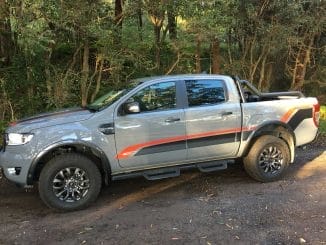
The Ford Ranger, Toyota HiLux and Mitsubishi Triton are among the familiar options, although the best choice depends on your passengers, luggage and intended roads. If you are hiring, check whether your rental agreement permits gravel roads and off-road driving. Bringing your own Ute from Australia requires more planning, including shipping, biosecurity and vehicle-entry requirements.
Before setting off, check the tyres, brakes, fluids and spare wheel. Compatible canopies can provide covered, more secure storage for camping gear, tools and other touring essentials. Choose a design suited to your vehicle and how you expect to access your equipment.
Kit Out Your Ute Tray the Smart Way
A well-organised tray saves you from unpacking half your gear every time you stop. Use secured storage boxes or drawers for cooking equipment, tools and clothing, and keep frequently used items within easy reach.
Side-opening canopy windows can make access easier, while a fridge slide may be helpful if you plan to carry a portable fridge. Protect loose items from movement with suitable tie-downs, especially on rough roads.
Pay attention to weight as well as convenience. Check your Ute’s payload rating, the canopy’s load limits and any roof-rack restrictions. Keep heavier items low and properly secured rather than stacking everything high.
Plan Your Route Around New Zealand’s Best Driving Roads
The South Island is a strong choice for dramatic scenery. State Highway 6 along the West Coast passes rainforest, glacier country and rugged coastline. Near Queenstown, the Crown Range Road offers alpine views, steep climbs and sharp bends. Check road conditions before taking mountain routes, particularly in colder months.
On the North Island, the Desert Road takes you past the volcanic landscapes near Tongariro National Park. The Coromandel Peninsula offers winding coastal drives and access to beaches and walking tracks, although off-road driving is allowed only where specifically permitted.
Plan shorter days than you might in Australia. A route of 200 to 300 kilometres can already make for a full day once you factor in winding roads, photo stops and weather. Check current NZ Transport Agency driving advice, allow extra time and never treat the posted speed limit as a target in poor conditions.
Camping and Accommodation Options for Ute Tourers
New Zealand offers Department of Conservation (DOC) campsites, holiday parks and some freedom camping areas. They are not interchangeable, so research where you can stay before arriving.
Freedom camping has specific restrictions. Since 7 June 2026, vehicles staying in areas reserved for certified self-contained camping must display a valid green warrant. Certification requires a fixed toilet and other facilities, so an ordinary ute with a canopy does not automatically qualify. Rules also vary between council land and DOC-managed areas. Check DOC freedom camping guidance and local council restrictions rather than assuming a roadside spot is available.
DOC campsites are often a practical alternative for ute travellers, including those using a tent or a setup without self-containment certification. Facilities and vehicle access vary, and some sites require advance booking. Holiday parks offer another option when you want showers, powered sites or a cabin. Book popular stops early during the summer holiday period.
Pack Recovery Gear and Safety Essentials
Your equipment should match the roads you intend to drive. For regular sealed-road touring, start with a spare tyre, jack suited to your vehicle, basic tools, first-aid kit and adequate drinking water. For authorised off-road routes, consider a tyre repair kit, portable compressor and suitable rated recovery equipment.
Do not assume a recovery strap or jack is safe simply because it fits in the tray. Check your vehicle’s rated recovery points and learn correct techniques before attempting a recovery. When in doubt, use professional assistance.
New Zealand’s mountain weather can change rapidly. Carry warm layers, waterproof clothing, food and water for delays, and check forecasts before remote trips. A satellite communicator may be worthwhile where mobile coverage is unreliable. Let someone know your intended route and when you expect to return.
Final Words
Touring New Zealand by Ute gives you room to carry the essentials and flexibility to explore at your own pace. Choose a suitable vehicle, secure your load, plan realistic driving days and check camping rules before setting off.
With a little preparation and room for changes in weather or road conditions, you can spend less time solving problems and more time enjoying the journey.