


The 2026 Alfa Romeo Junior Ibrida has arrived to shake up a segment drowning in look-alike, feel-alike appliances.
The Junior is Alfa Romeo’s most audacious gamble in years. On paper, it sits on a shared Stellantis platform underneath the Peugeot 2008 and Jeep Avenger. In reality, it drives, looks, and feels like nothing else in the segment. Arriving at an indicative drive-away price of around $51,000 – $54,000 depending on state, it isn’t bargain territory for a light SUV. But you’re not paying for sheet metal — you’re paying for a dose of Italian soul that the other brands simply cannot replicate.

| The Good | The Not-So-Good |
|---|---|
| Unmistakable Italian Design & Presence | Tight, Cramped Rear Passenger Space |
| Genuine Alfa Driving Character | Servicing Costs Above Class Average |
| Excellent Fuel Economy (4.1L/100km) | No ANCAP/Euro NCAP Rating Yet |
What does the 2026 Alfa Romeo Junior Ibrida look like?
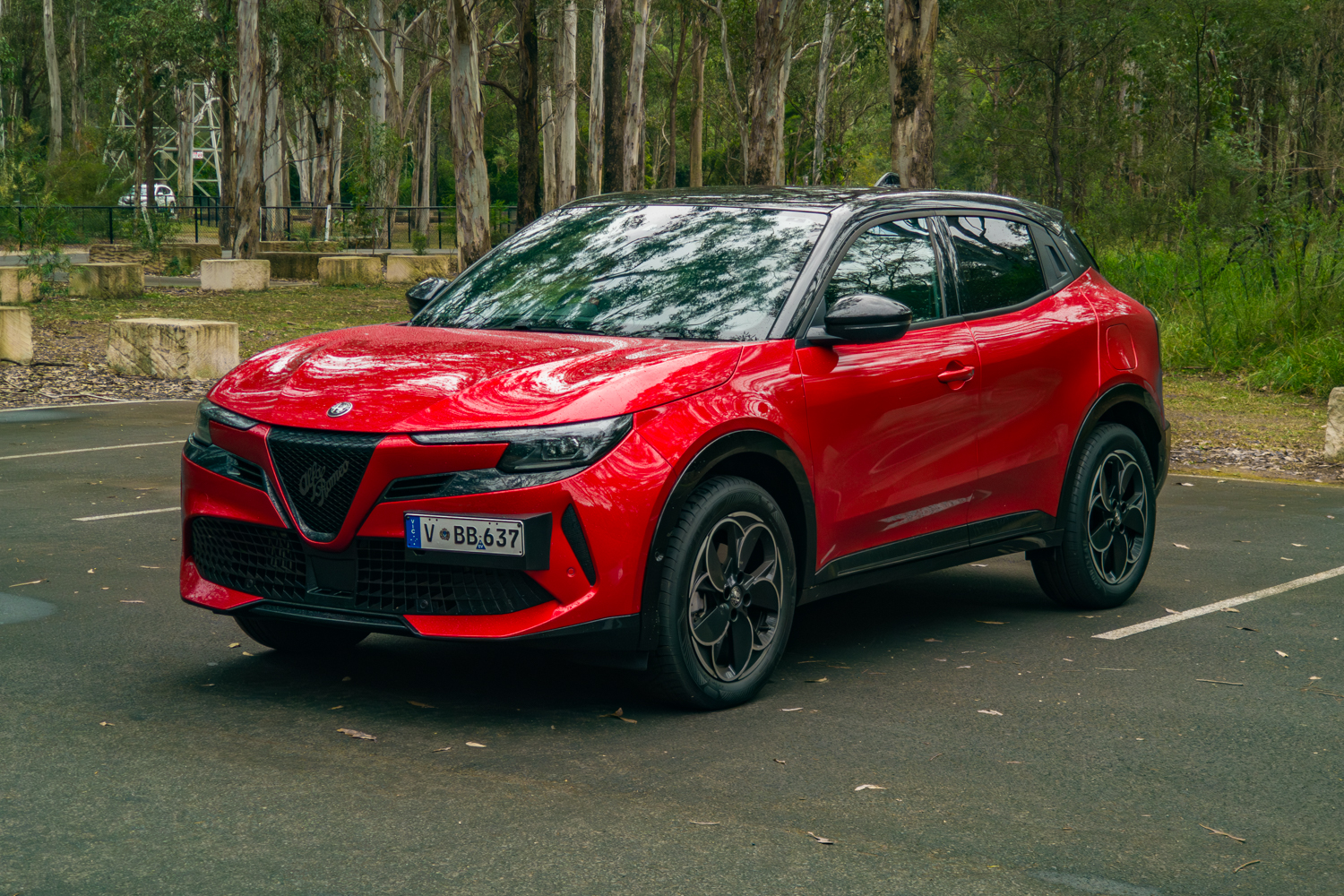
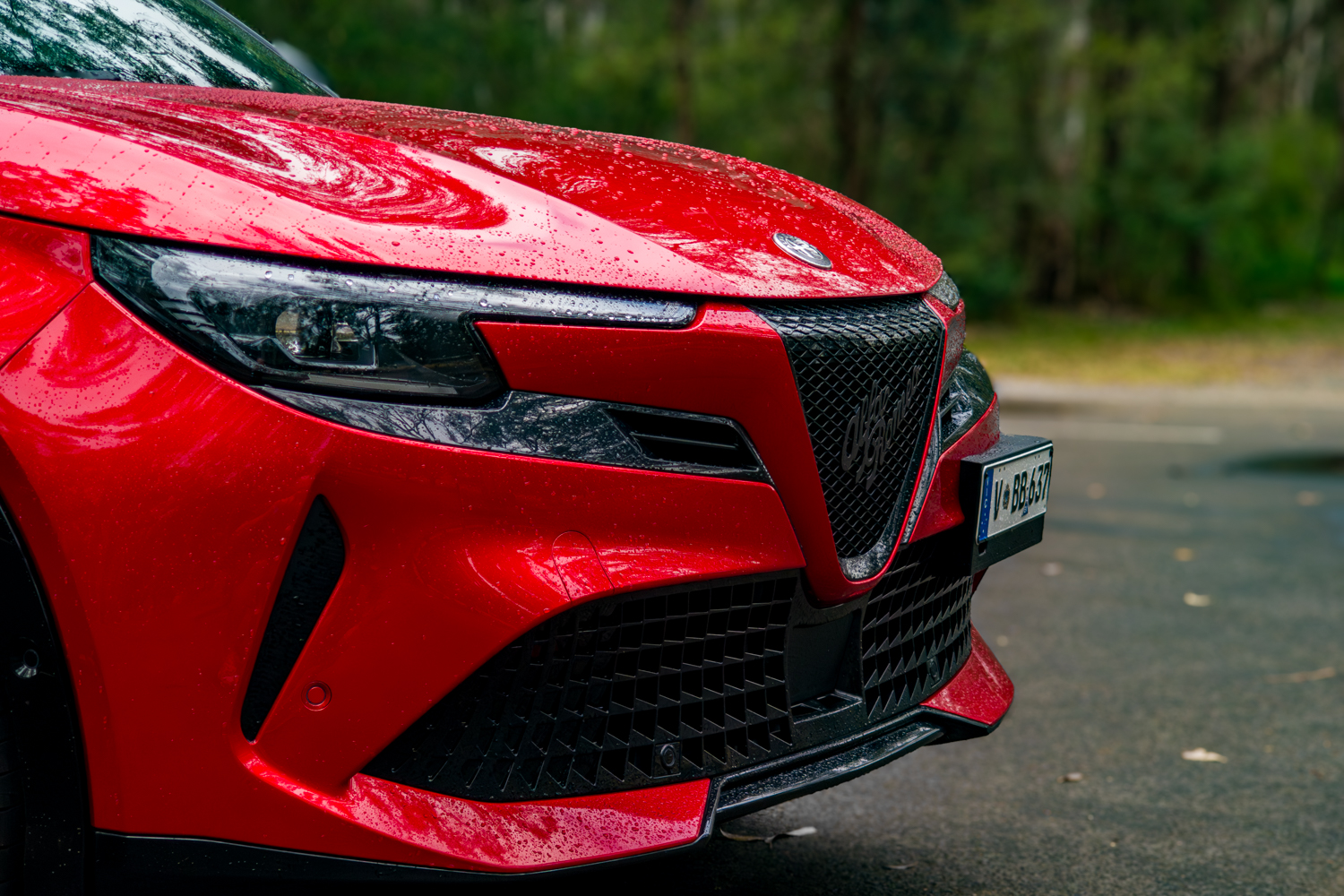
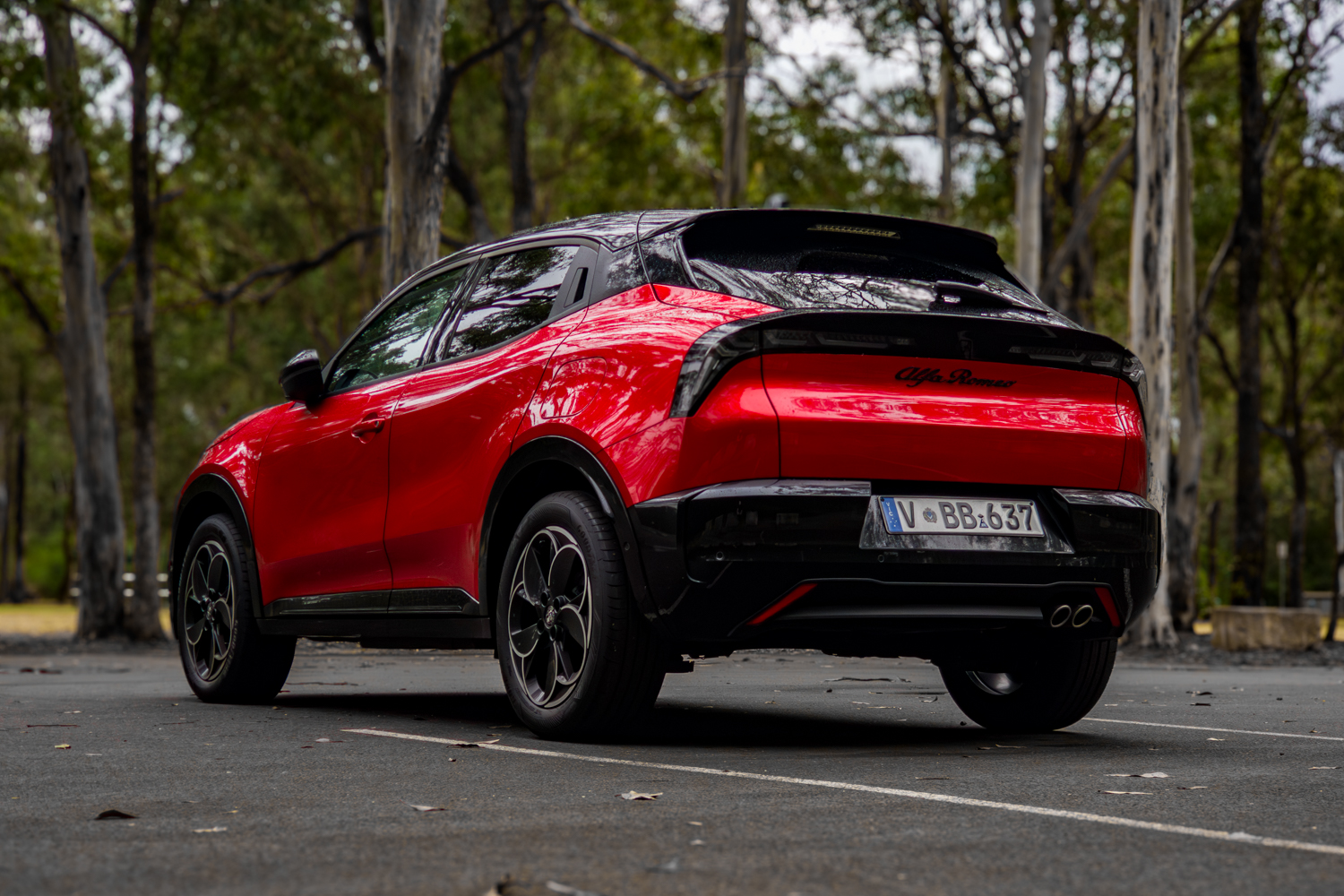
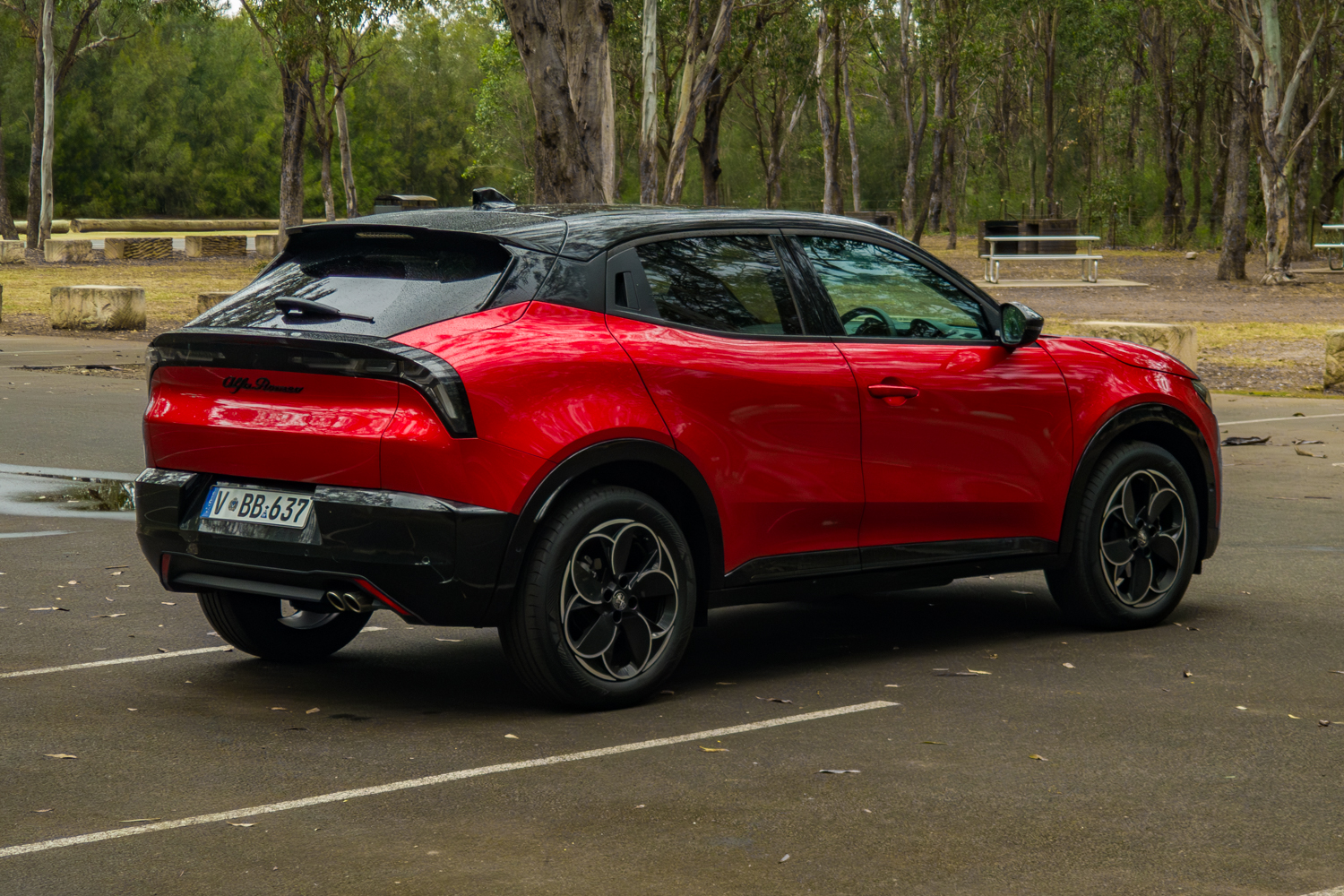
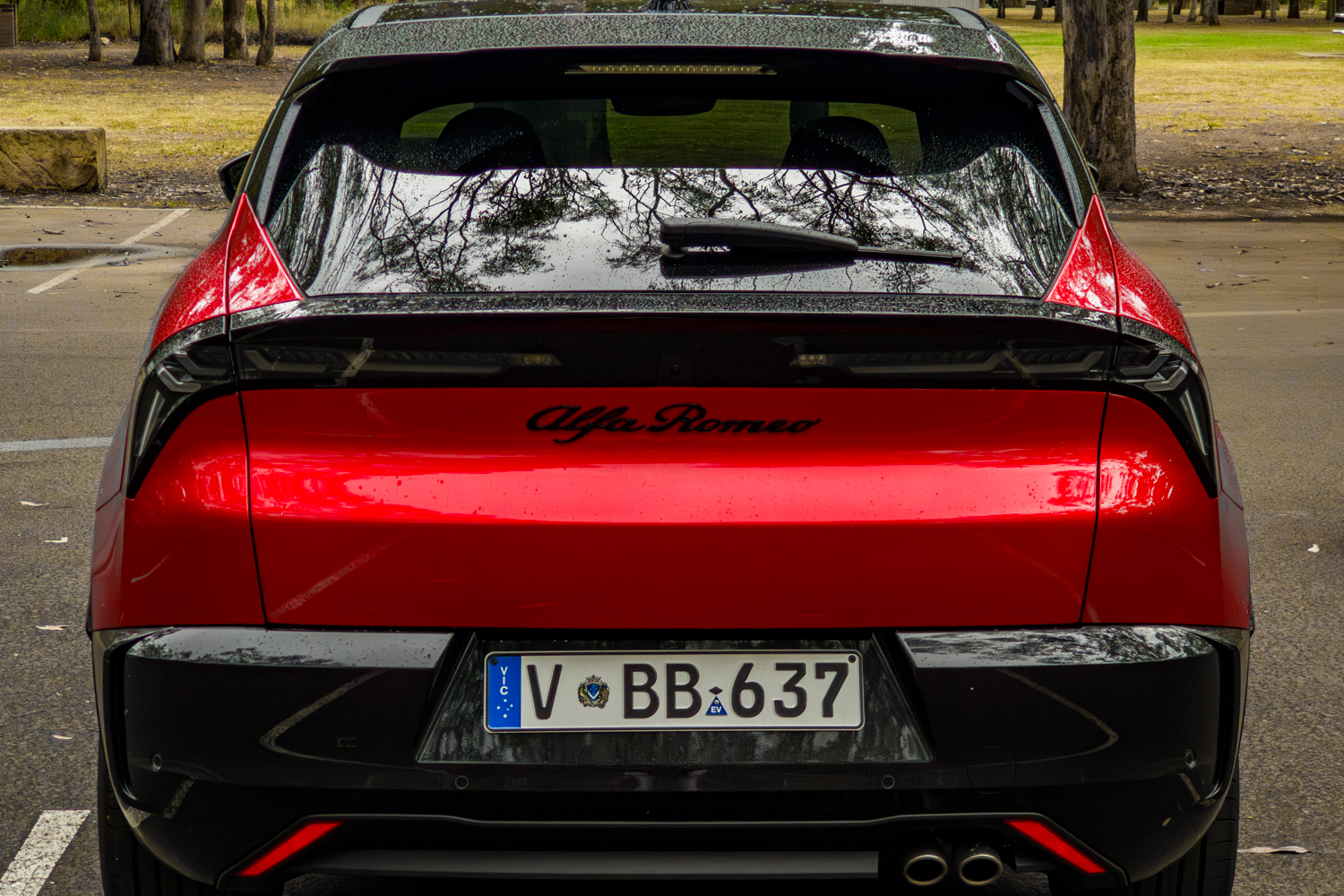
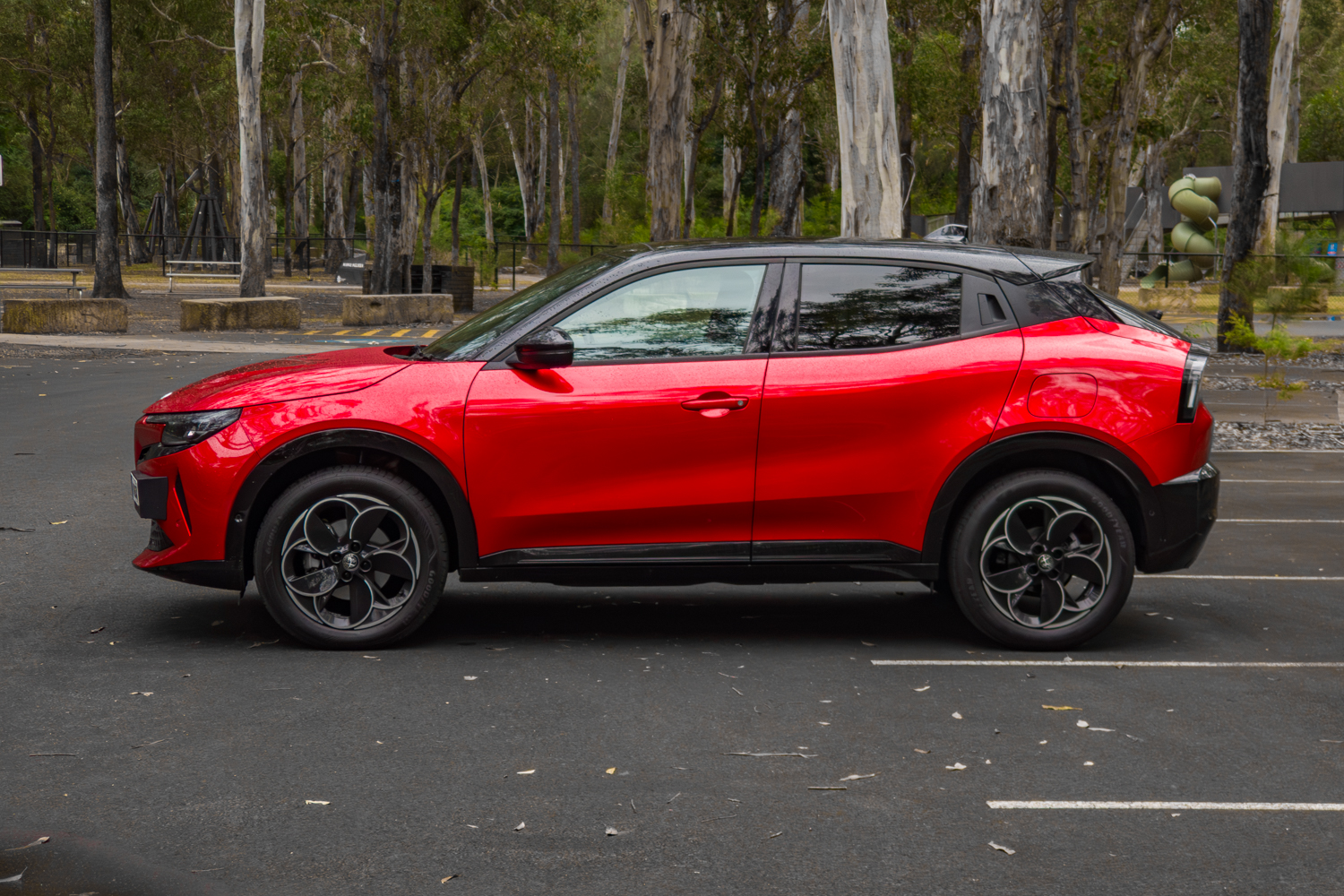
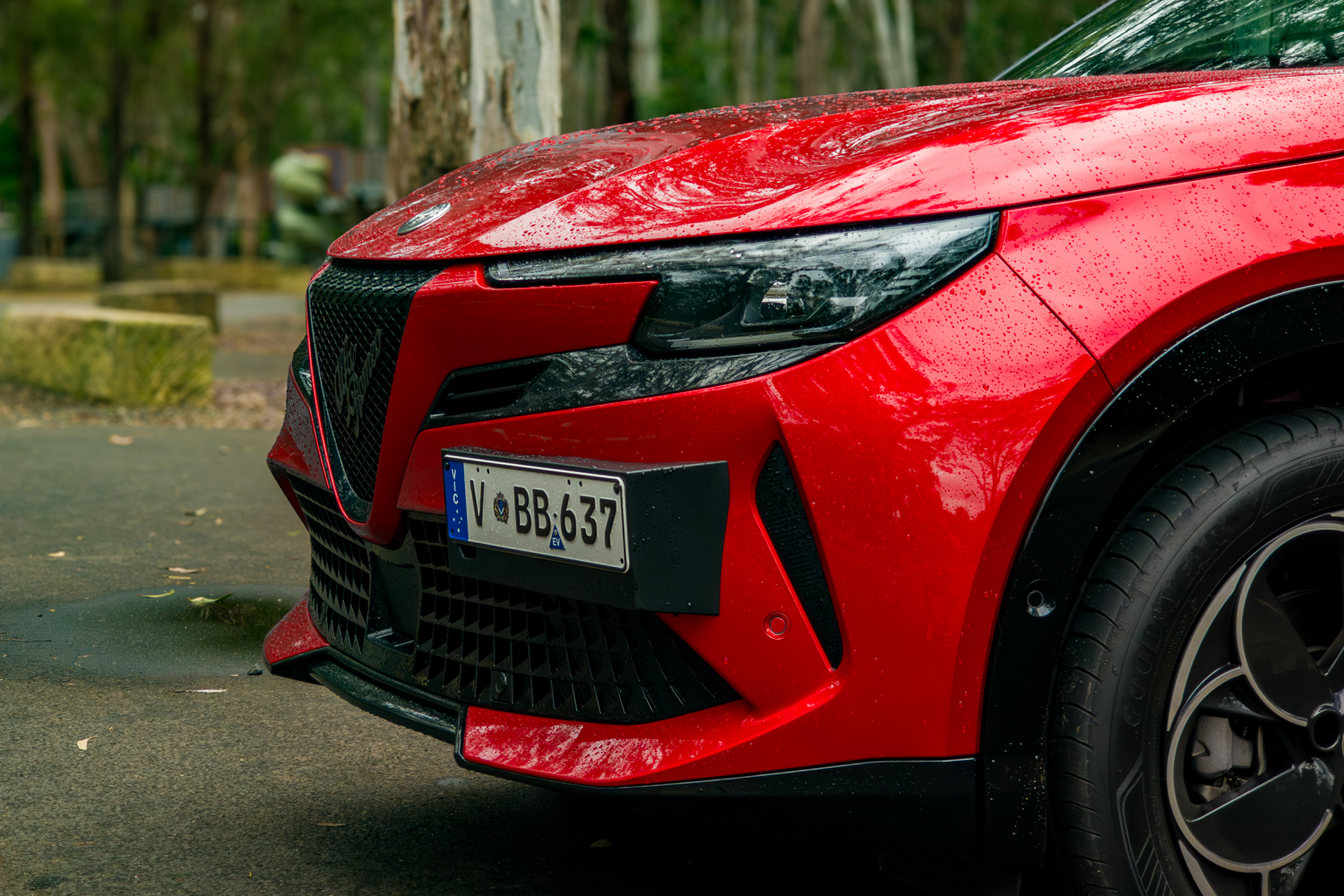
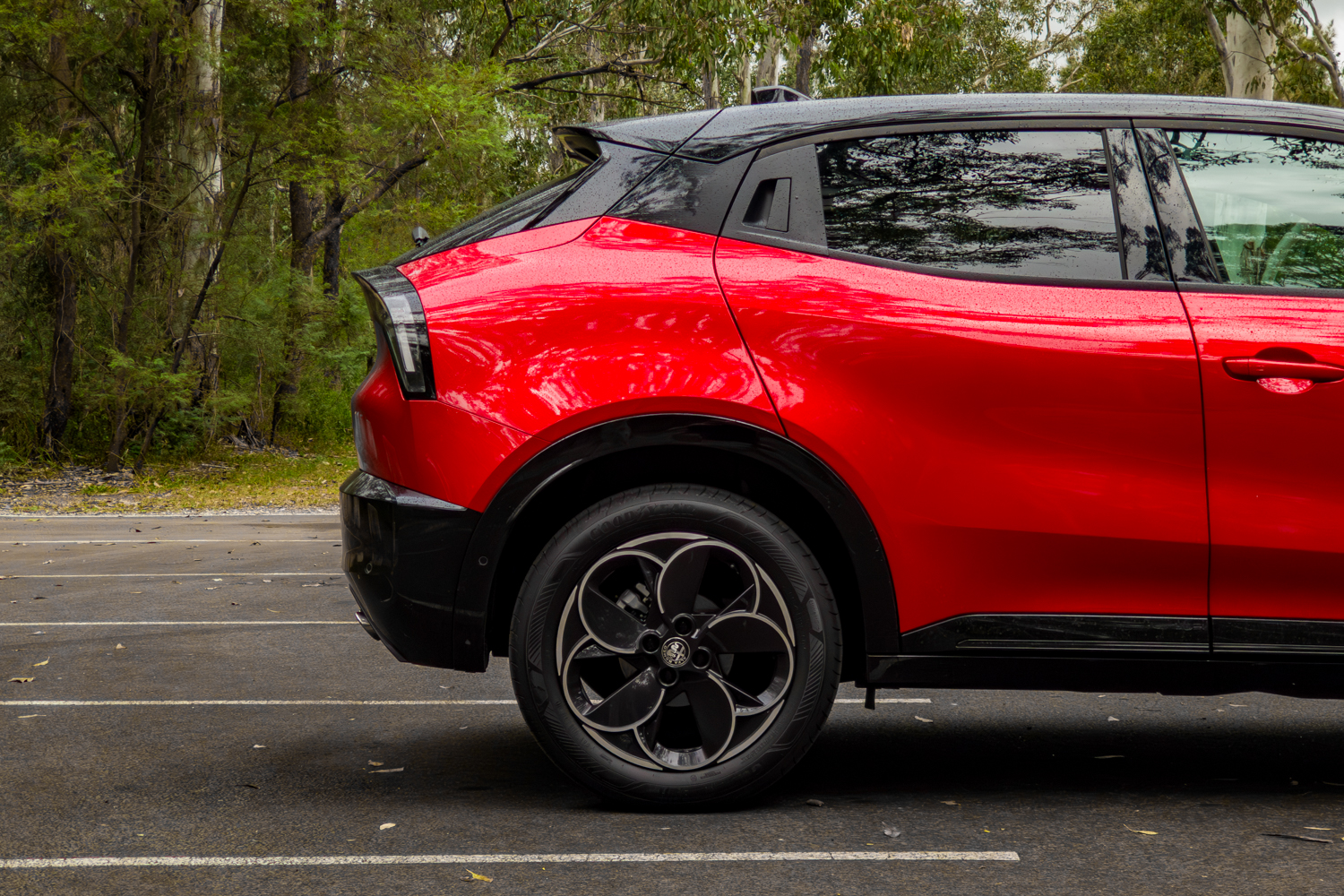
Indeed, the Junior is proof that good design transcends platform-sharing. At 4170mm long and 1780mm wide, it is genuinely compact — a full 360mm shorter than the Alfa Romeo Tonale — yet it wears its size confidently, with taut flanks, a bold Scudetto Leggenda shield grille, and sharp LED lighting that signals intent before you even turn the key.
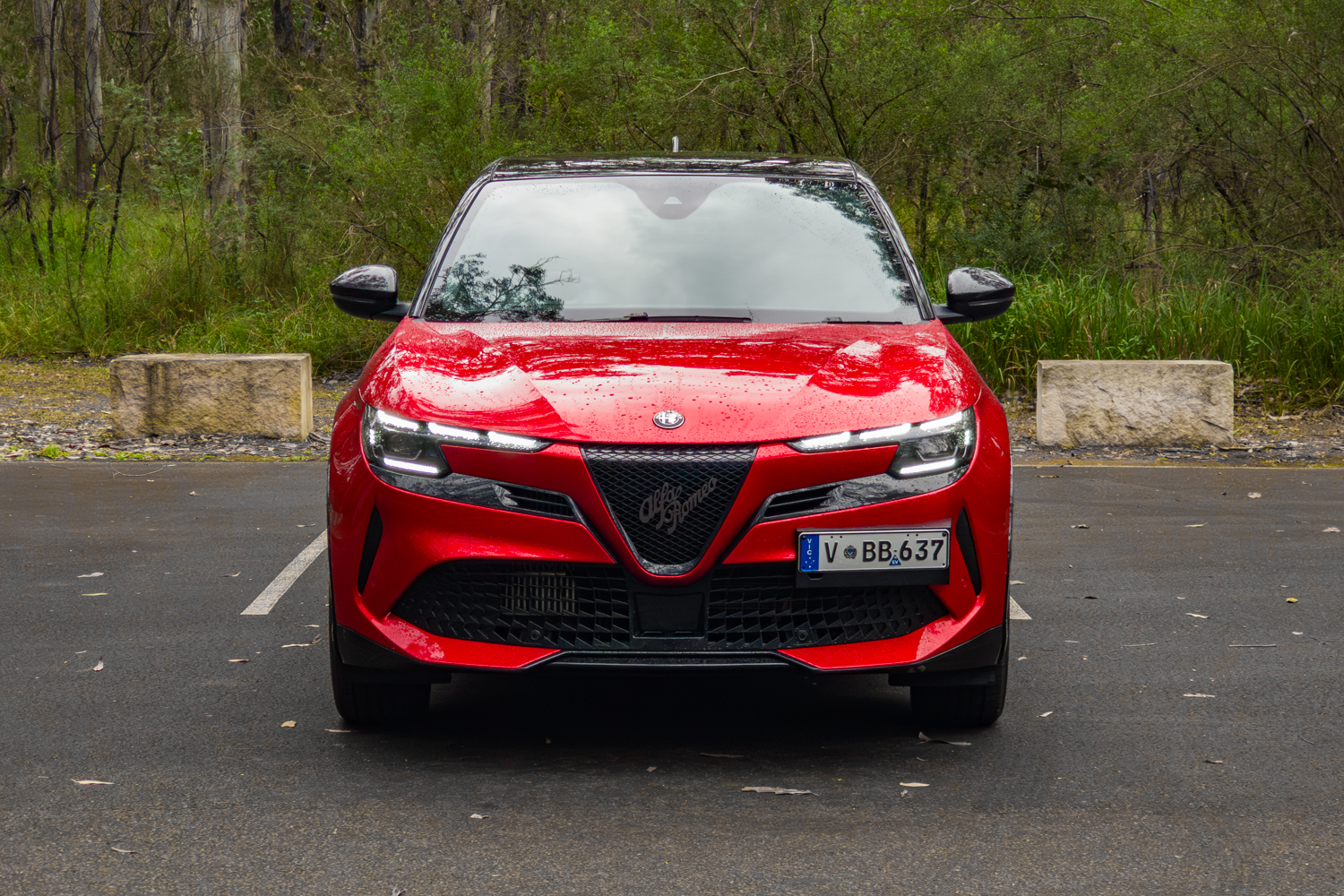
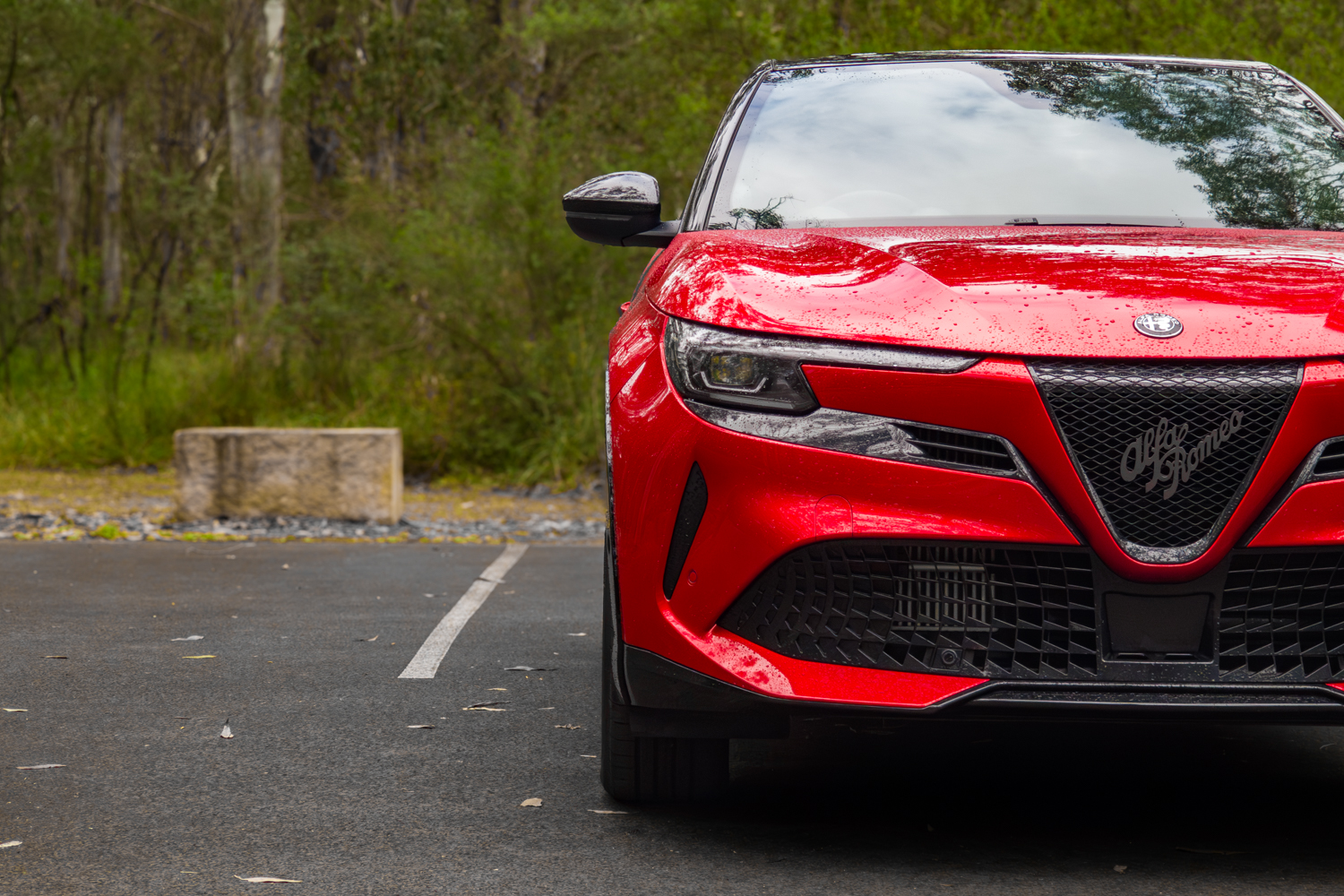
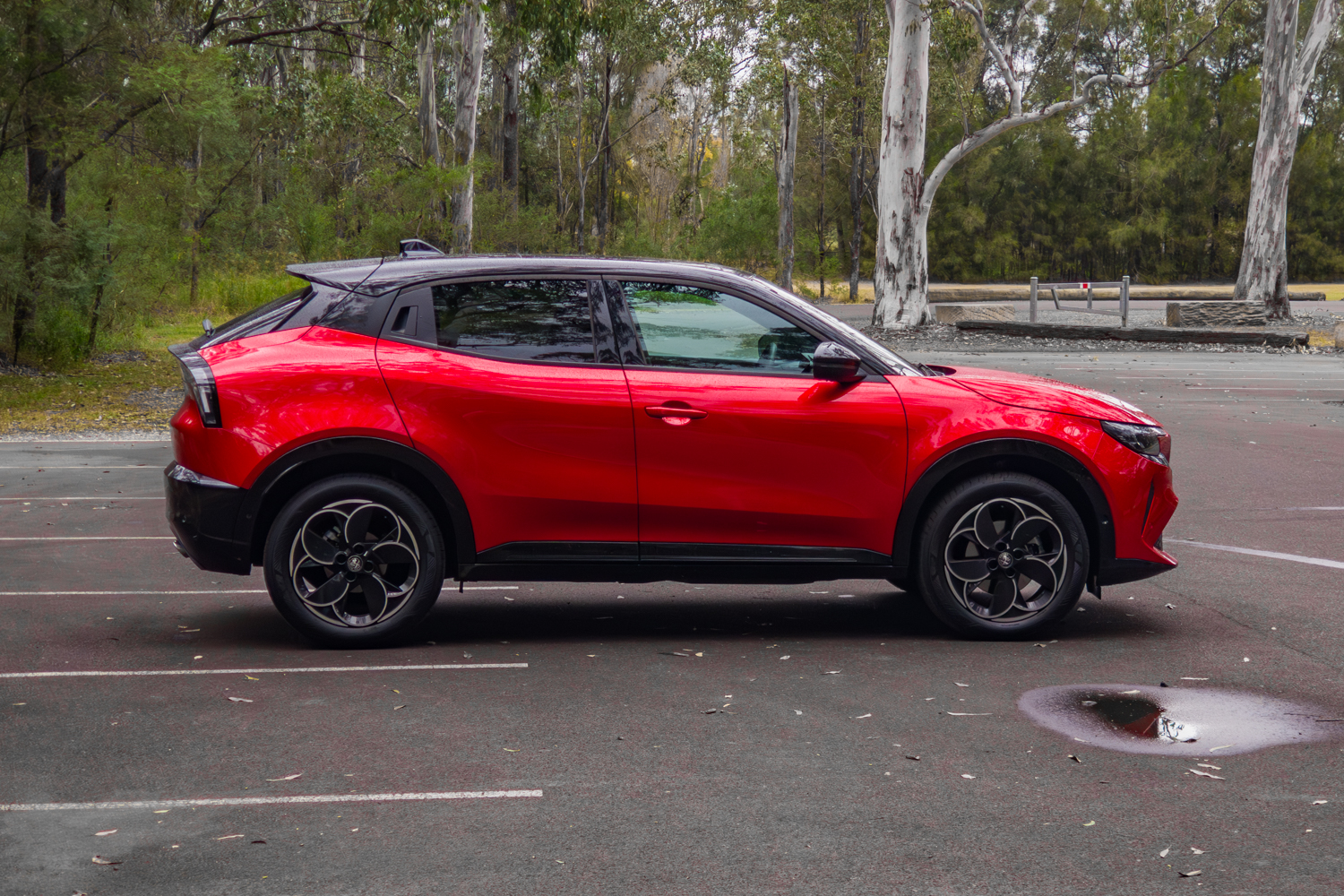
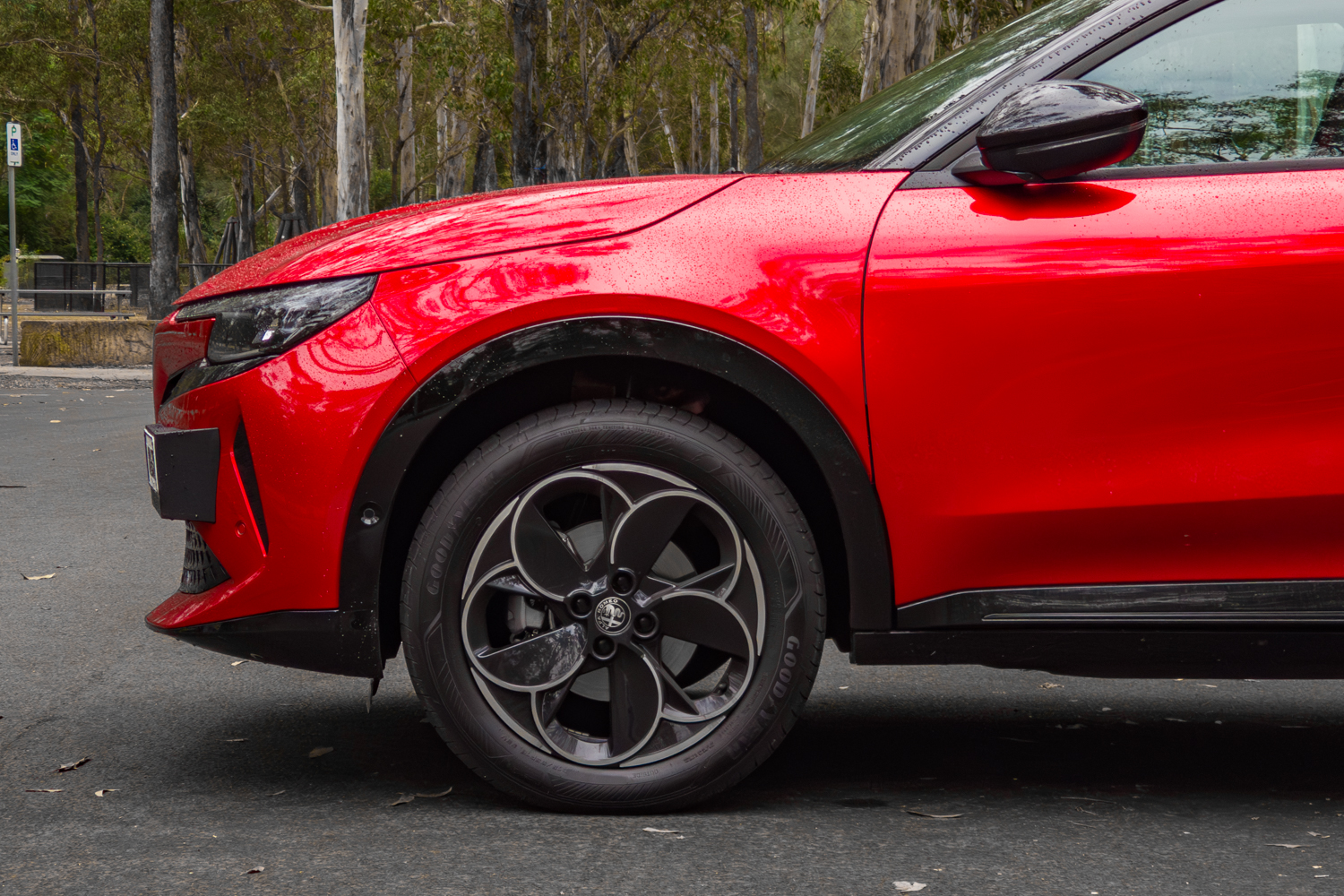
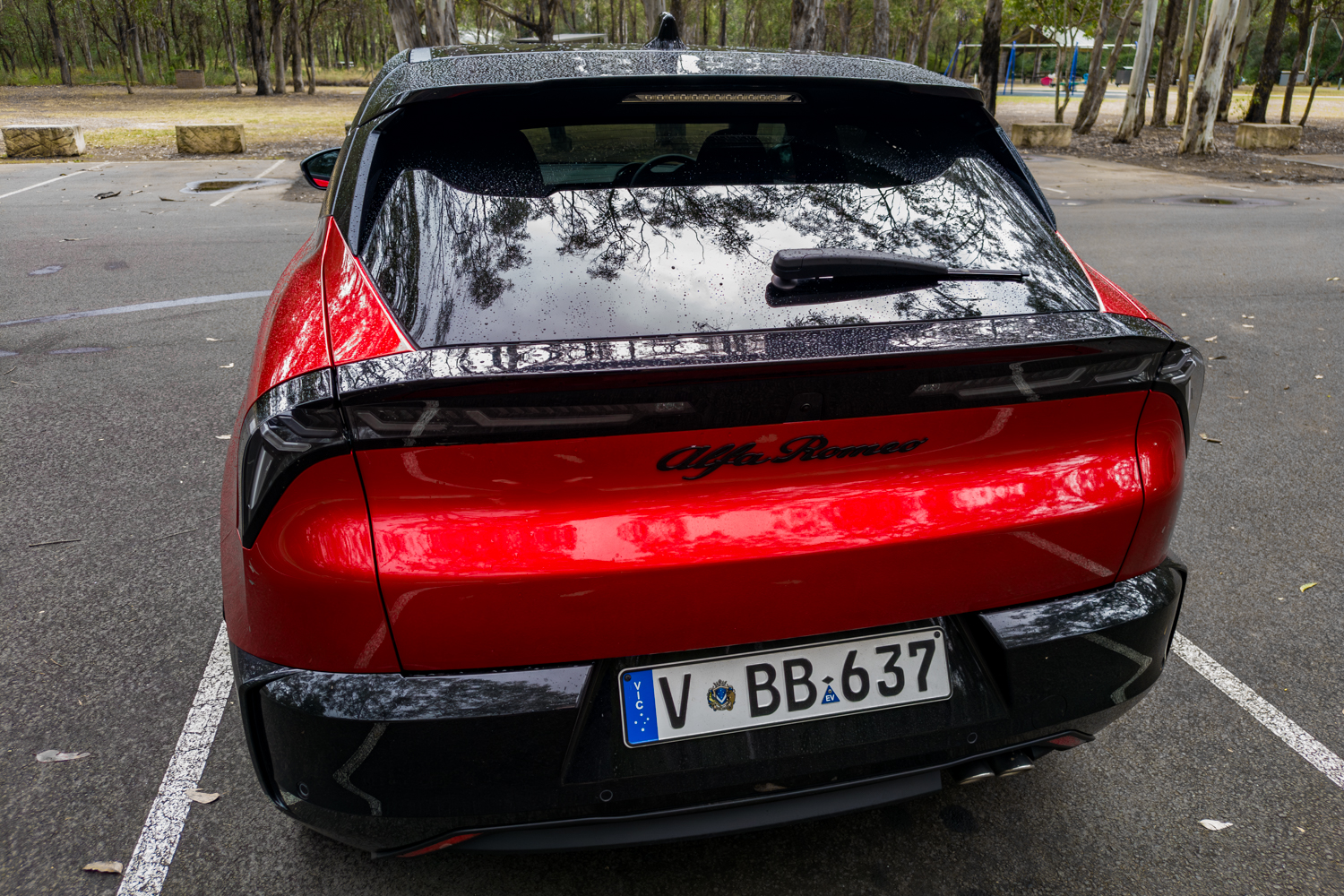
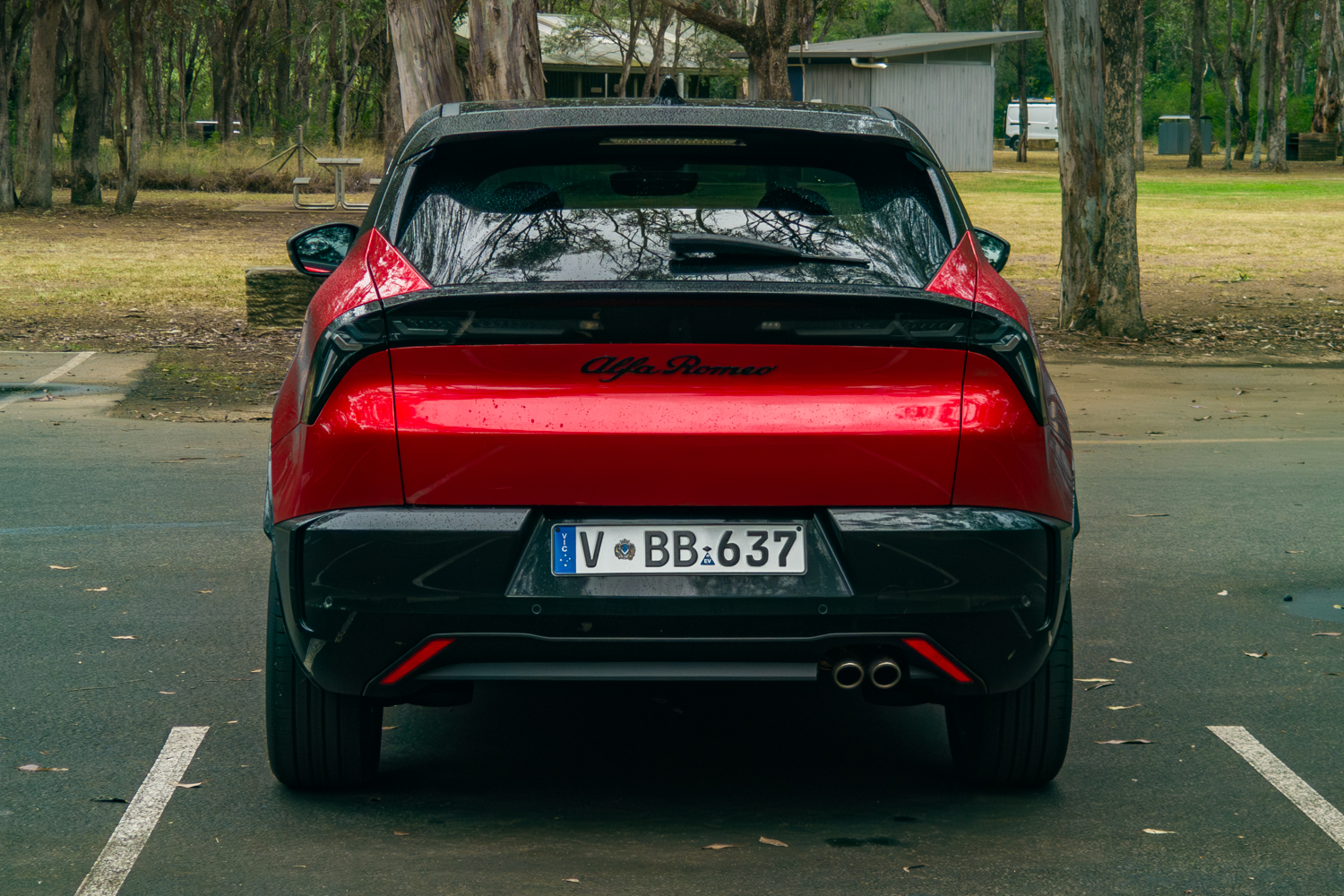
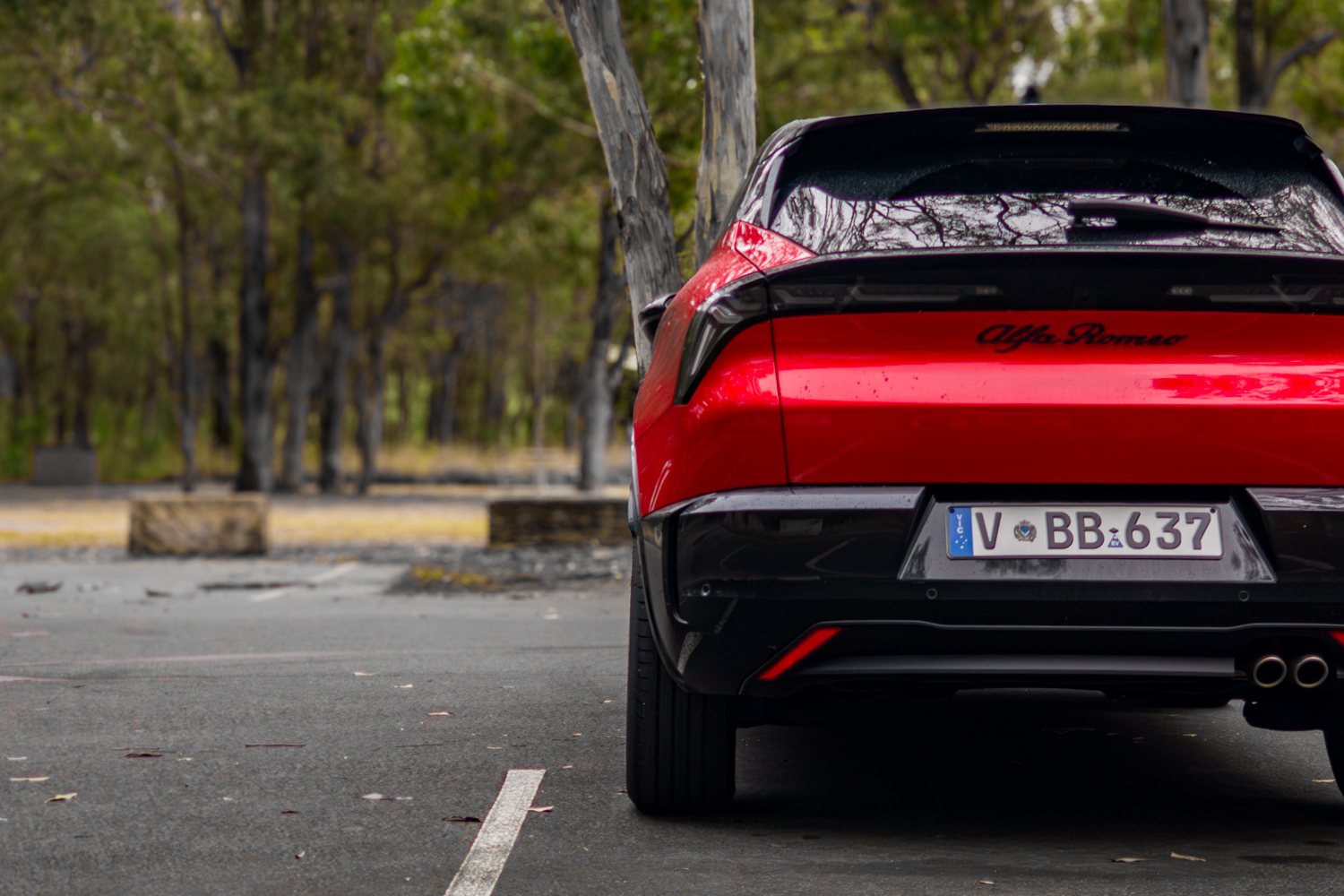
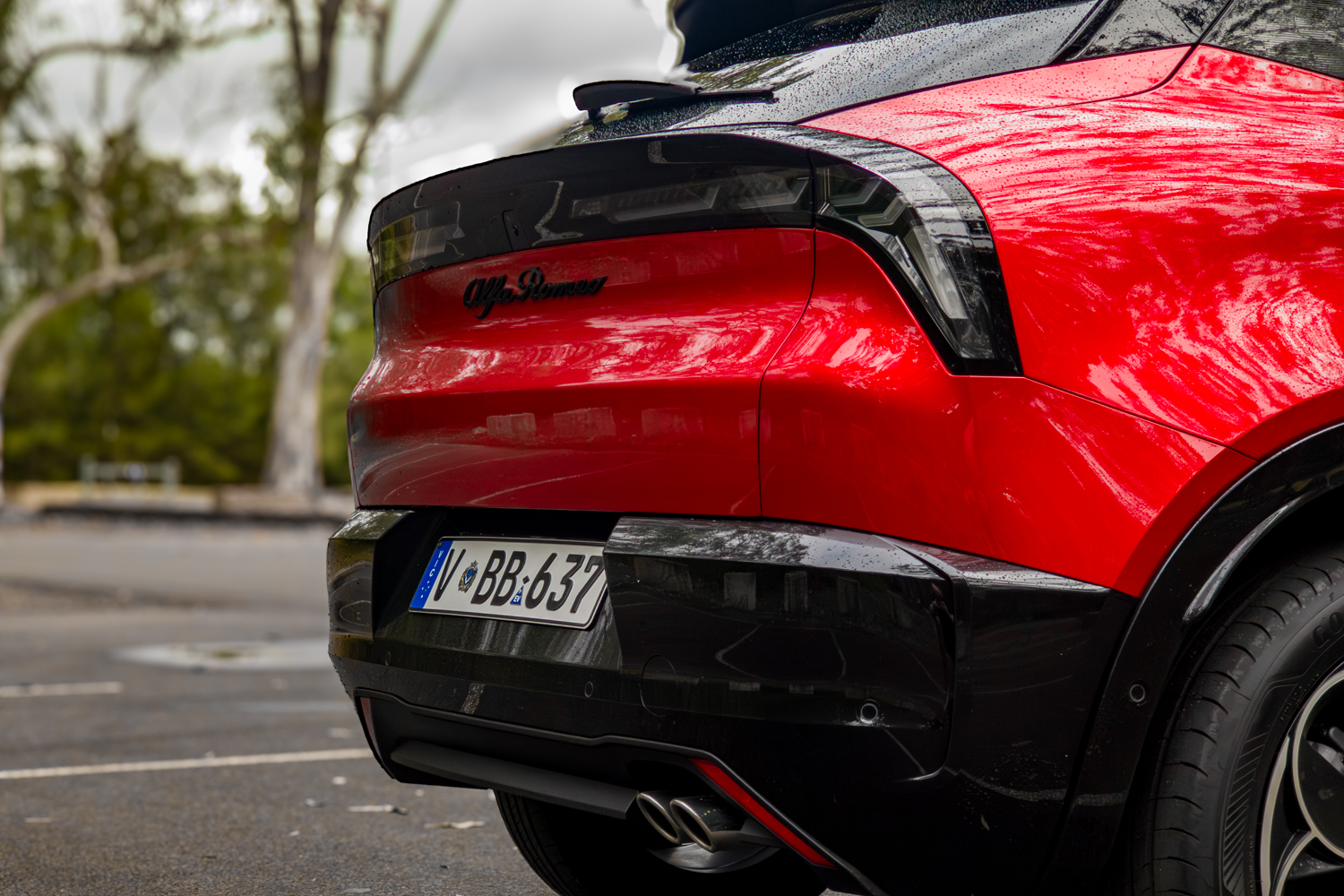
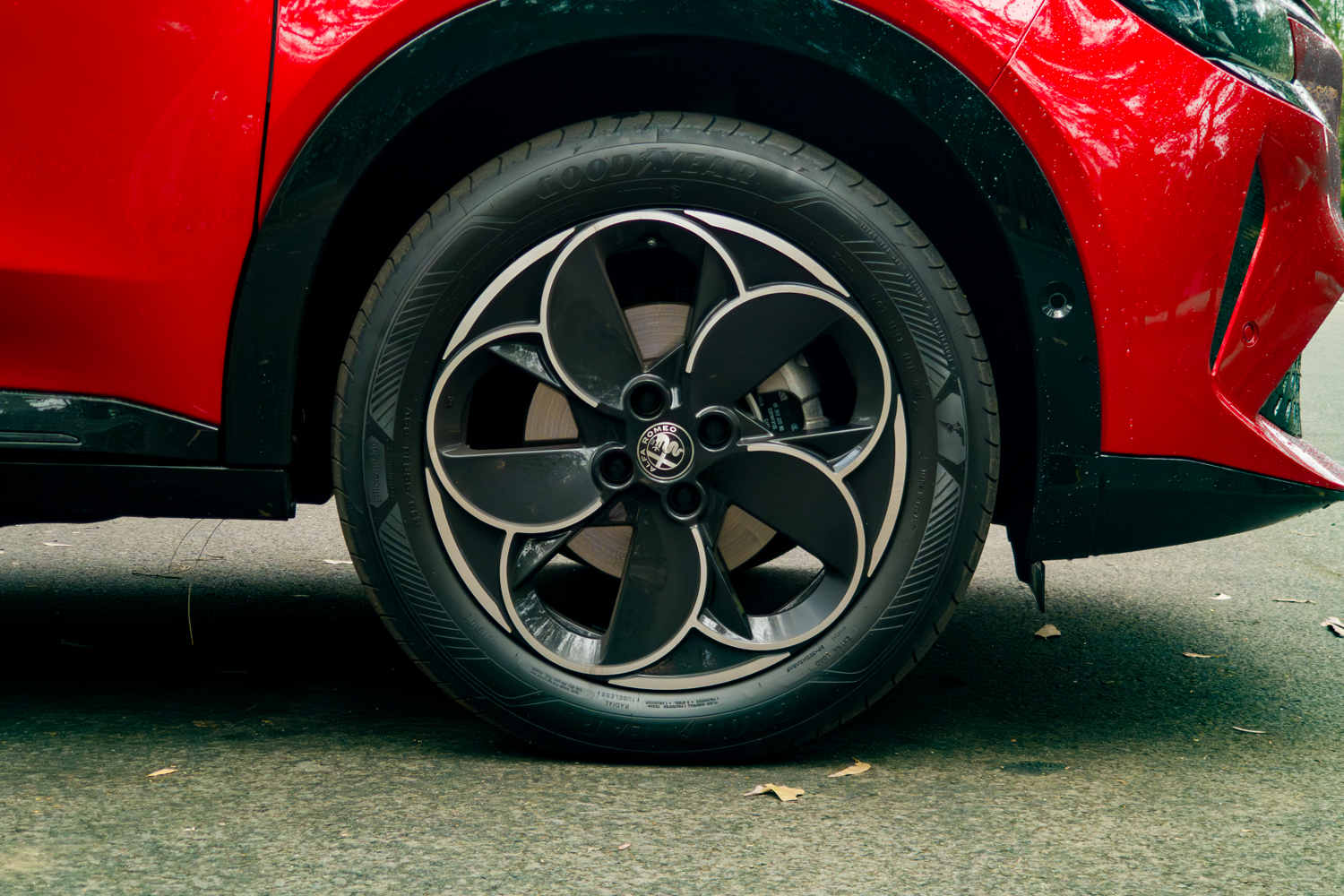
Moreover, the exterior repays close attention. The glossy black body kit, the twin exhaust outlets (Ibrida only), the side-mounted number plate that pays homage to classic Alfa GT coupes, and the 18-inch Petali diamond-cut alloy wheels all earn lingering looks. Six exterior colours — all named after districts of Milan, a cheeky nod to the car’s short-lived “Milano” naming saga — include White Sempione, Black Tortona, Red Brera, Blue Navigli, Arese Steel, and Galleria Light Grey. Each one suits the Junior’s purposeful stance beautifully.
What is the 2026 Alfa Romeo Junior Ibrida like inside?
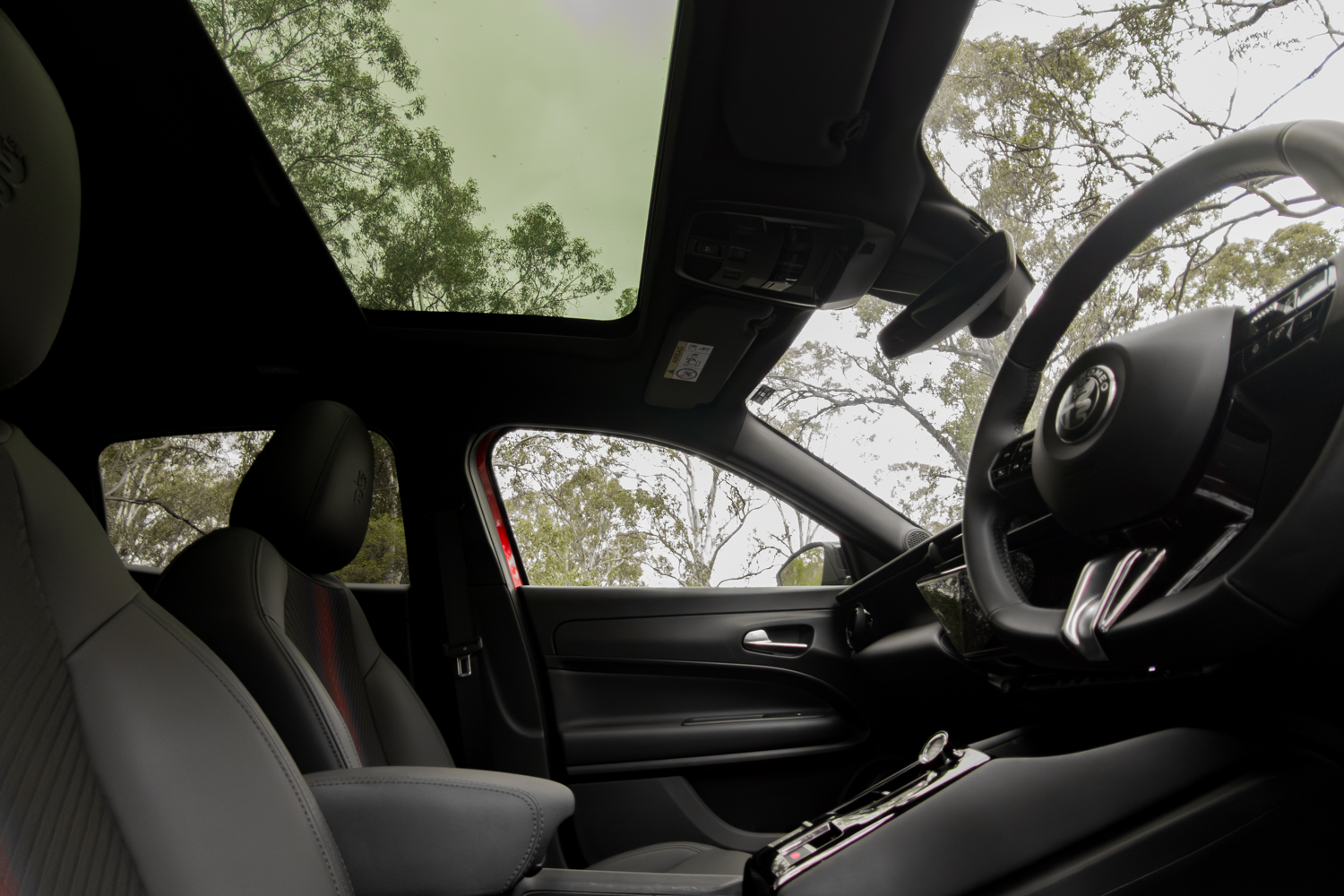
Step inside, and the Junior’s Italian character doesn’t let up. The cabin carries a cockpit quality — the high centre console, the angled 10.25-inch infotainment screen tilted toward the driver, and the leather-wrapped steering wheel that is thin-rimmed and perfectly shaped. The Spiga interior trim in black cloth and leatherette with red contrast stitching injects warmth into what could otherwise feel like a cave. Aluminium pedals and door sills, soft-touch surfaces on the dash and upper doors, and ambient lighting all contribute to an atmosphere that is genuinely premium — well above what you find in the Mazda CX-3 or Toyota Yaris Cross.
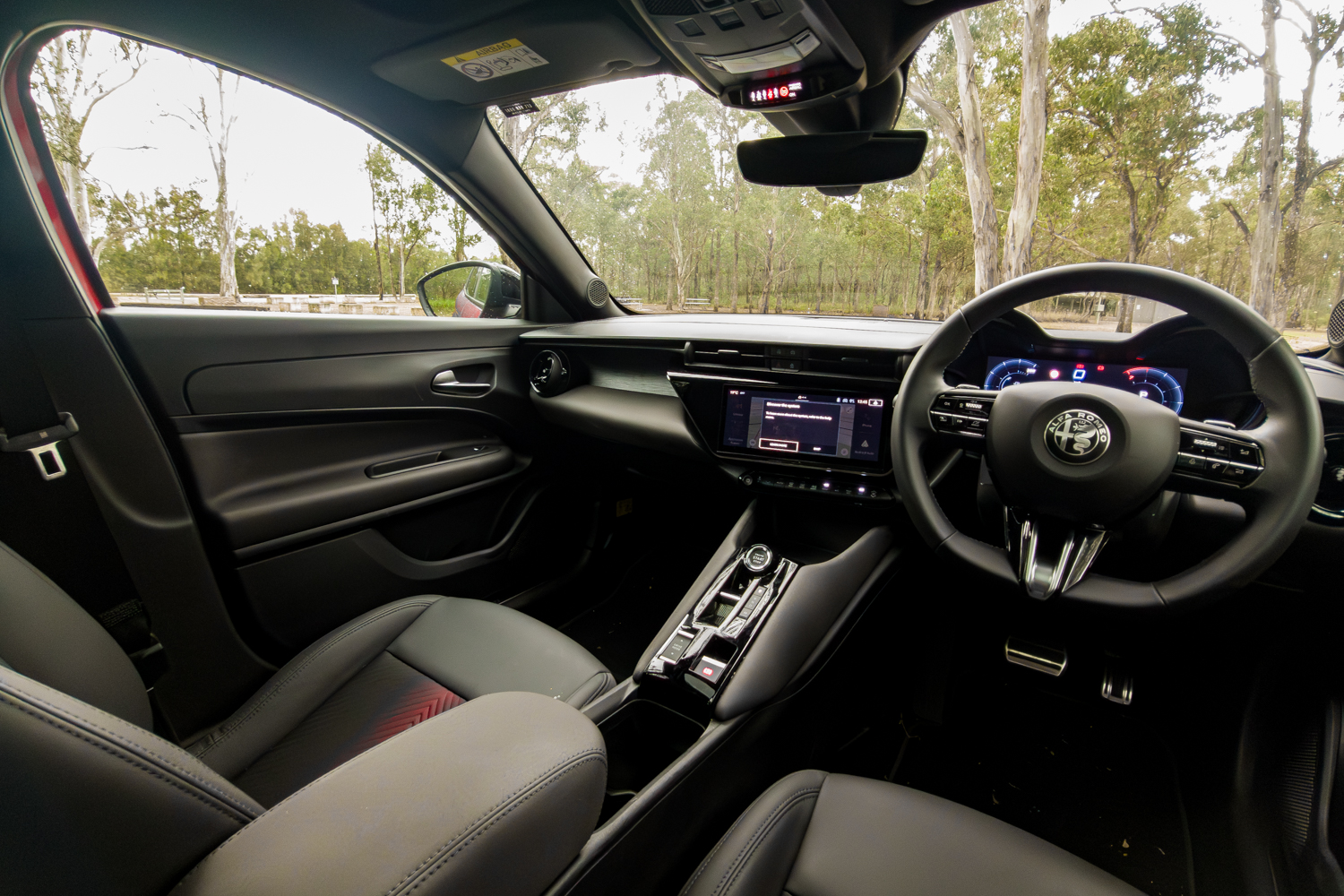
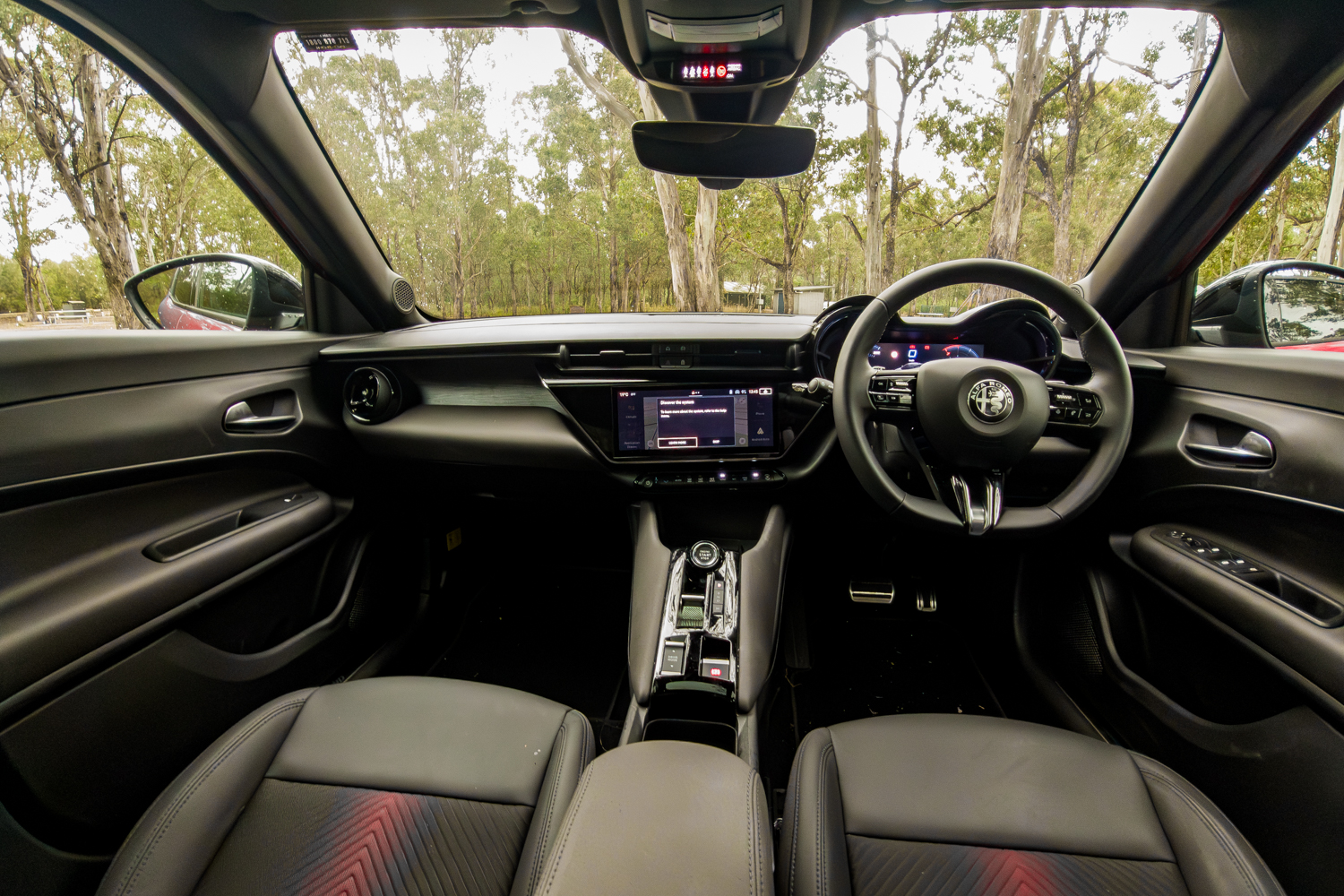
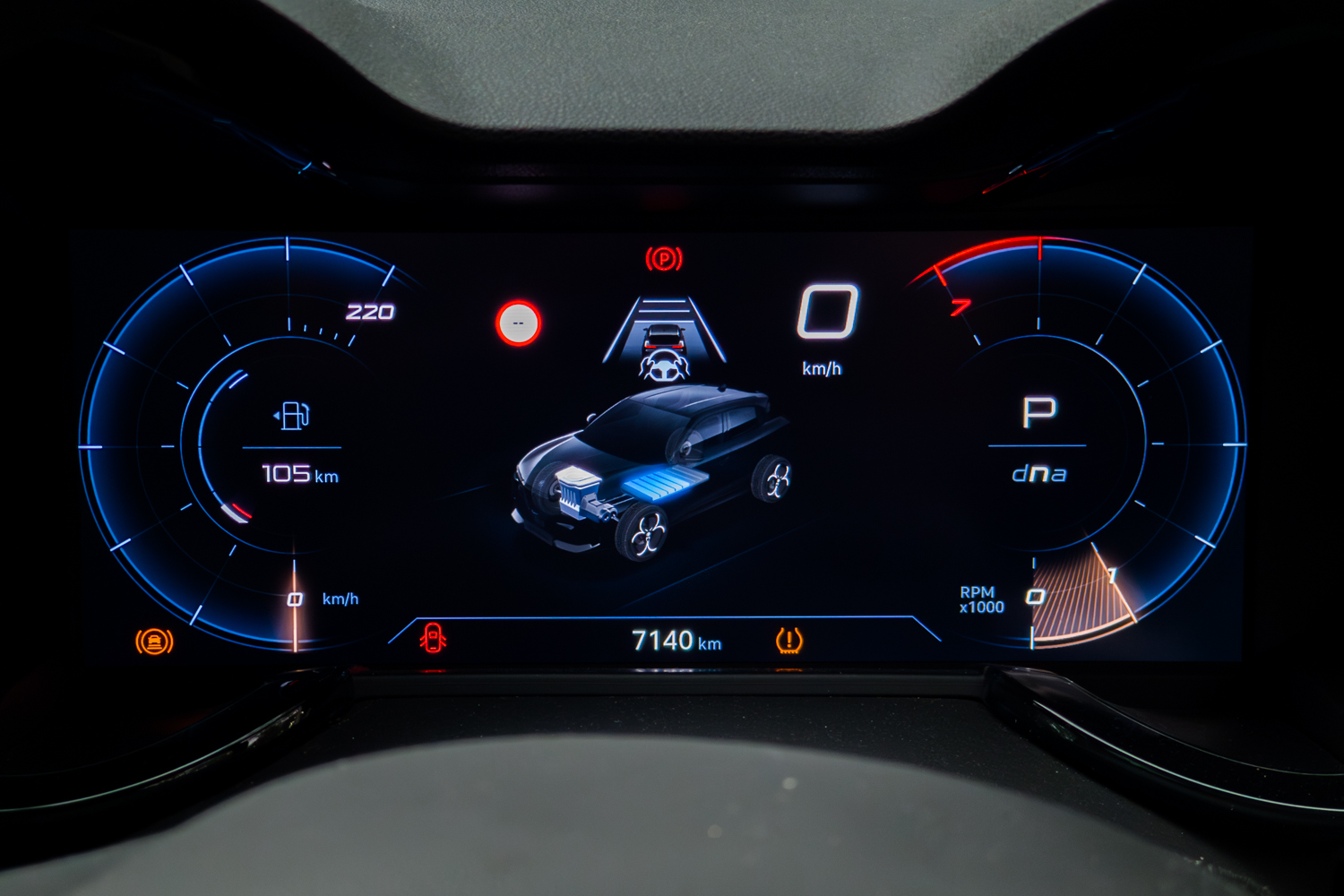
Additionally, the 10.25-inch digital instrument cluster renders crisp, twin-dial graphics in classic Alfa style. The matching central infotainment screen responds quickly, and its menu structure is logically arranged with wireless Apple CarPlay and Android Auto standard. A wireless charging pad is also included — a thoughtful touch for a car aimed at urban commuters.
Storage
The Junior Ibrida doesn’t pretend to be a people-mover. Front occupants enjoy a commanding, cocooned driving position with excellent seat support, while storage for daily essentials — a large central bin, door pockets, and a handy shelf beneath the infotainment screen — is well considered. There is no traditional glovebox; instead, a compact but useful storage compartment sits ahead of the passenger seat.
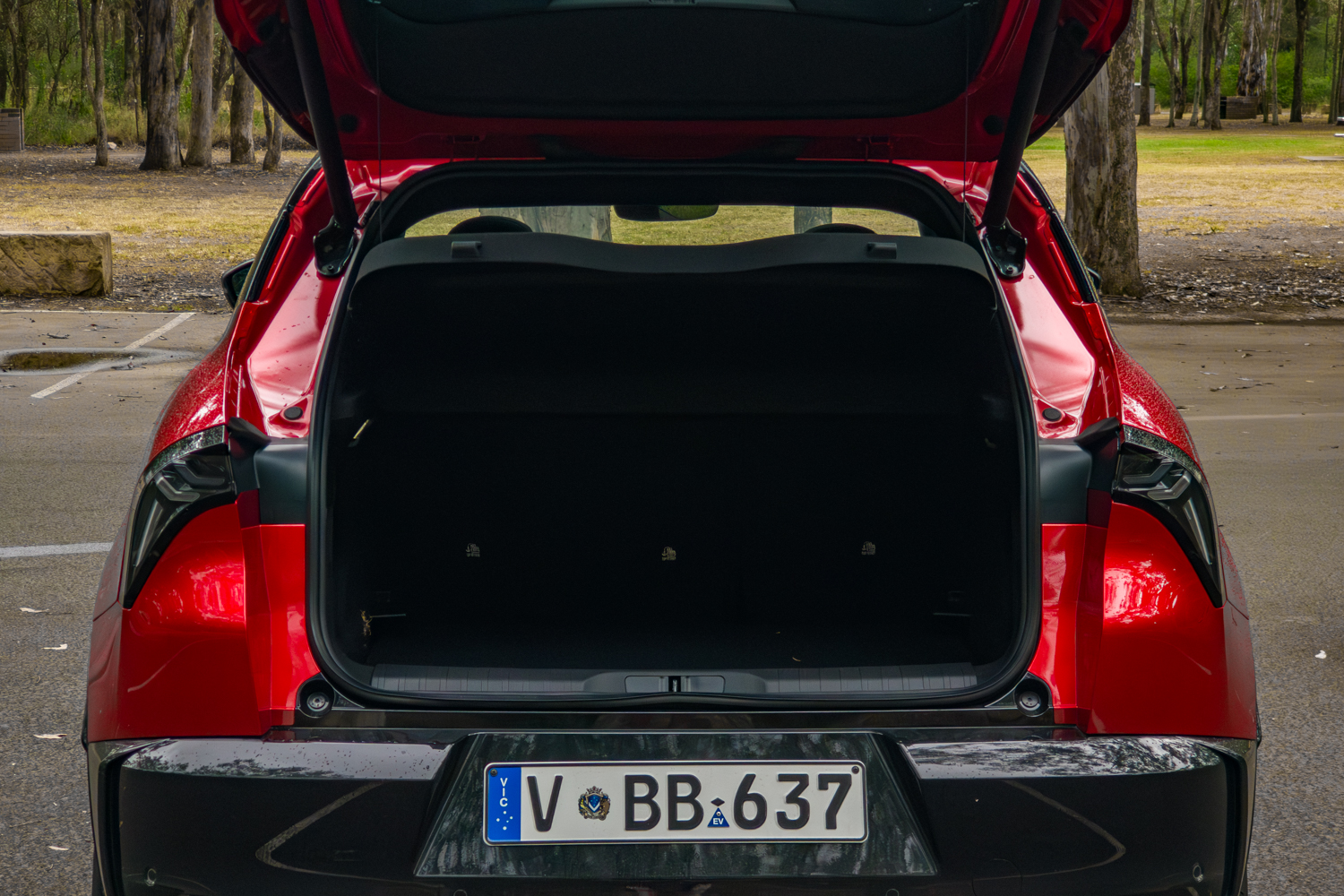
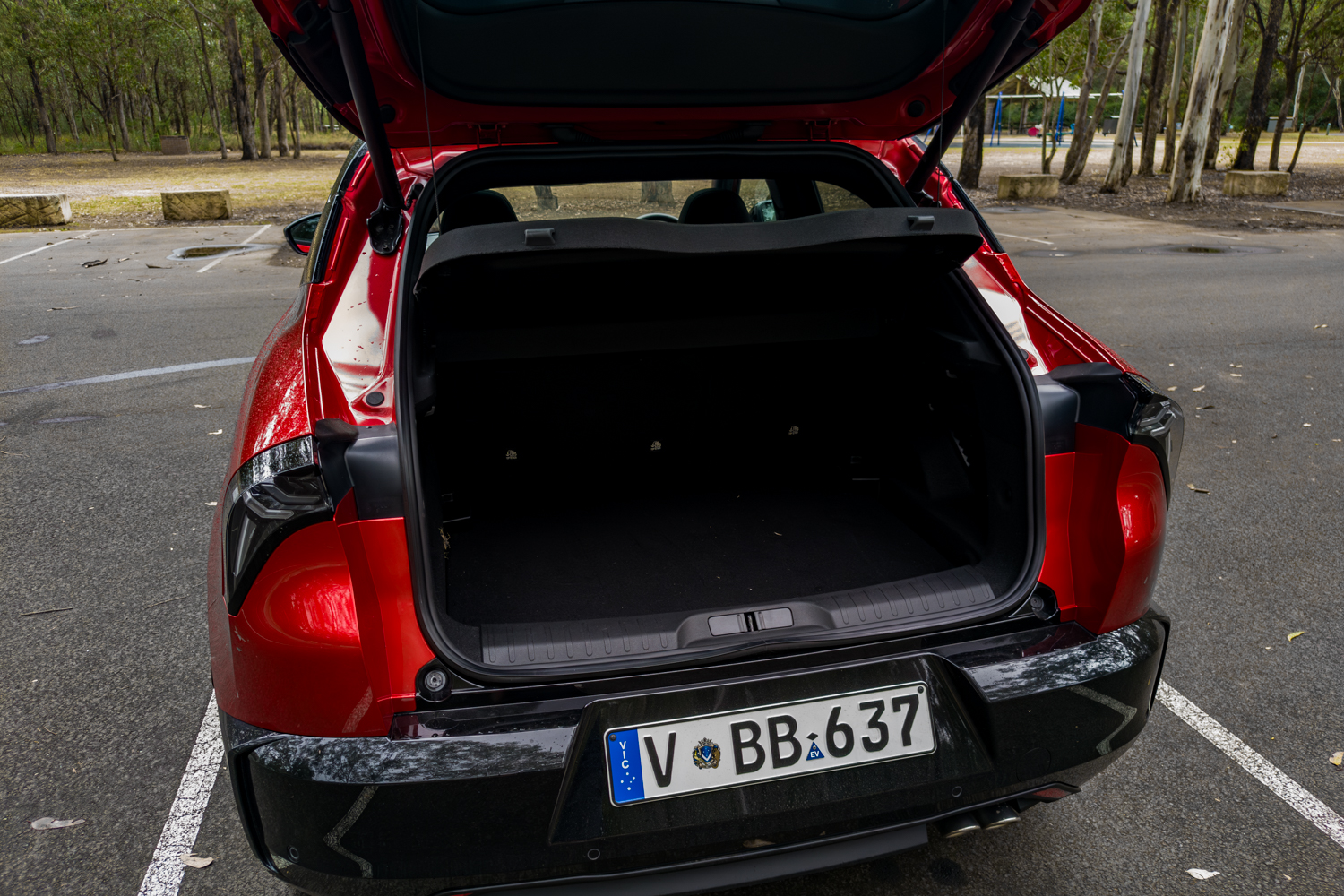
However, there is no frunk (front boot), which is expected given the front-wheel-drive, north-south powertrain layout. What you do get is a 415-litre boot — genuinely impressive for this class, beating the Lexus LBX (402L) and Audi Q2 (405L). The boot floor is flat and high, accepting three to four small suitcases side-by-side with ease. The hands-free powered tailgate with foot-sensor activation is a practical real-world feature and comes standard.
Rear seat and boot space
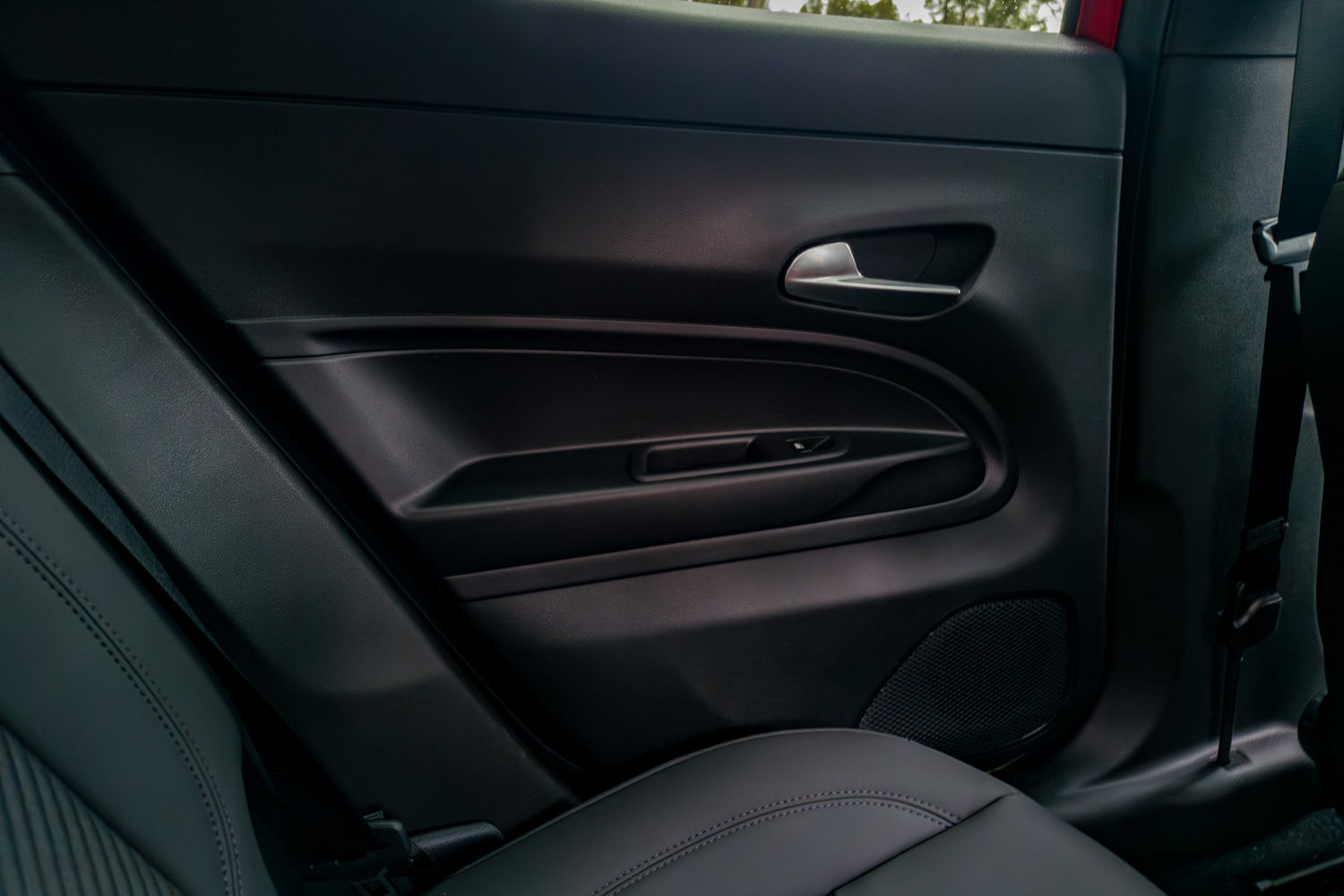
Despite its many strengths, this is the Junior’s most significant real-world compromise. The rear seat is best described as a 2+1 in practice — two adults sit comfortably, but three abreast is a squeeze. Headroom suits occupants up to around 180cm, though the sloping roofline clips taller passengers. Legroom is tight but liveable for short to medium trips. There is a rear USB port for charging devices, and a 60:40-split folding rear seat expands cargo capacity meaningfully when required.
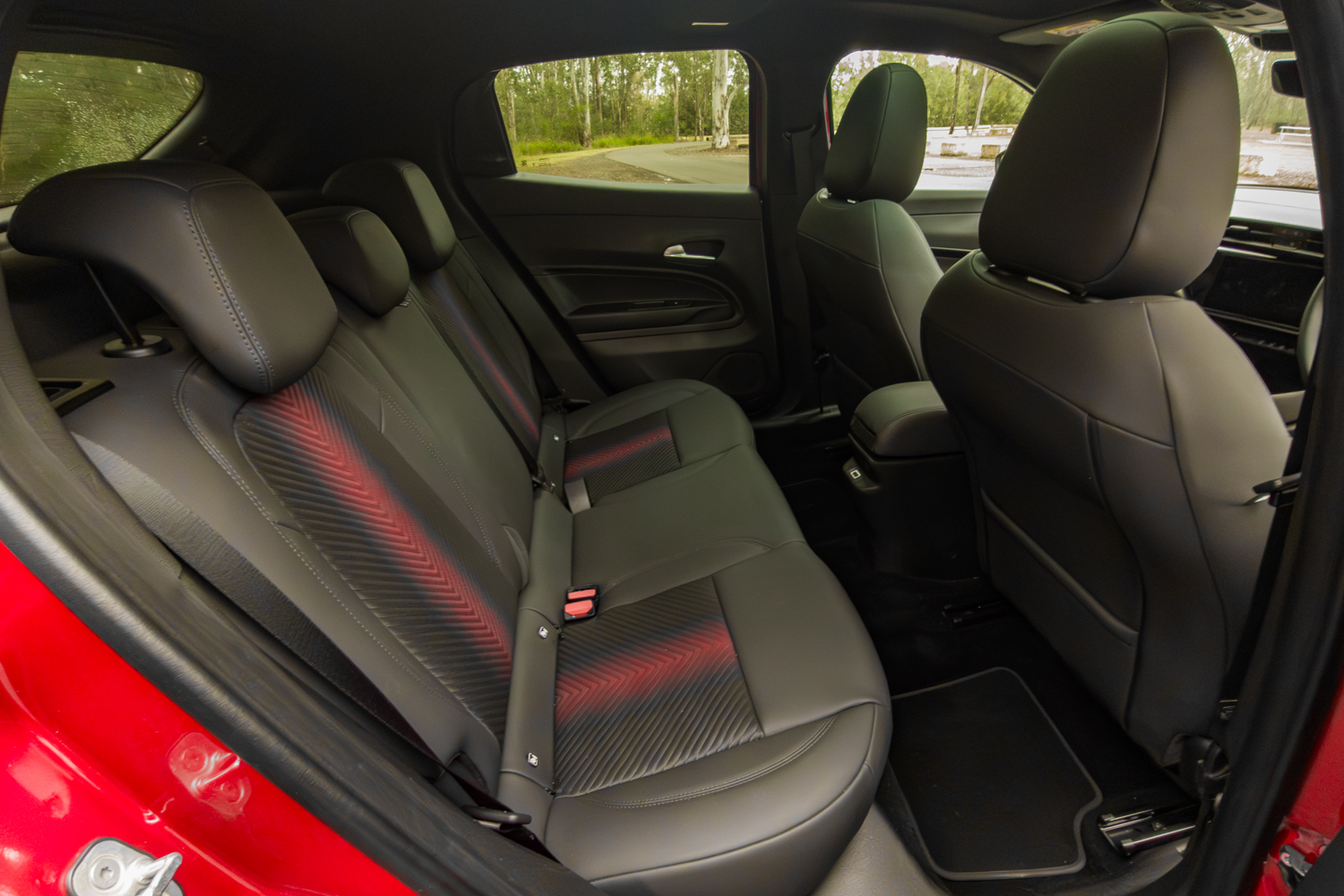
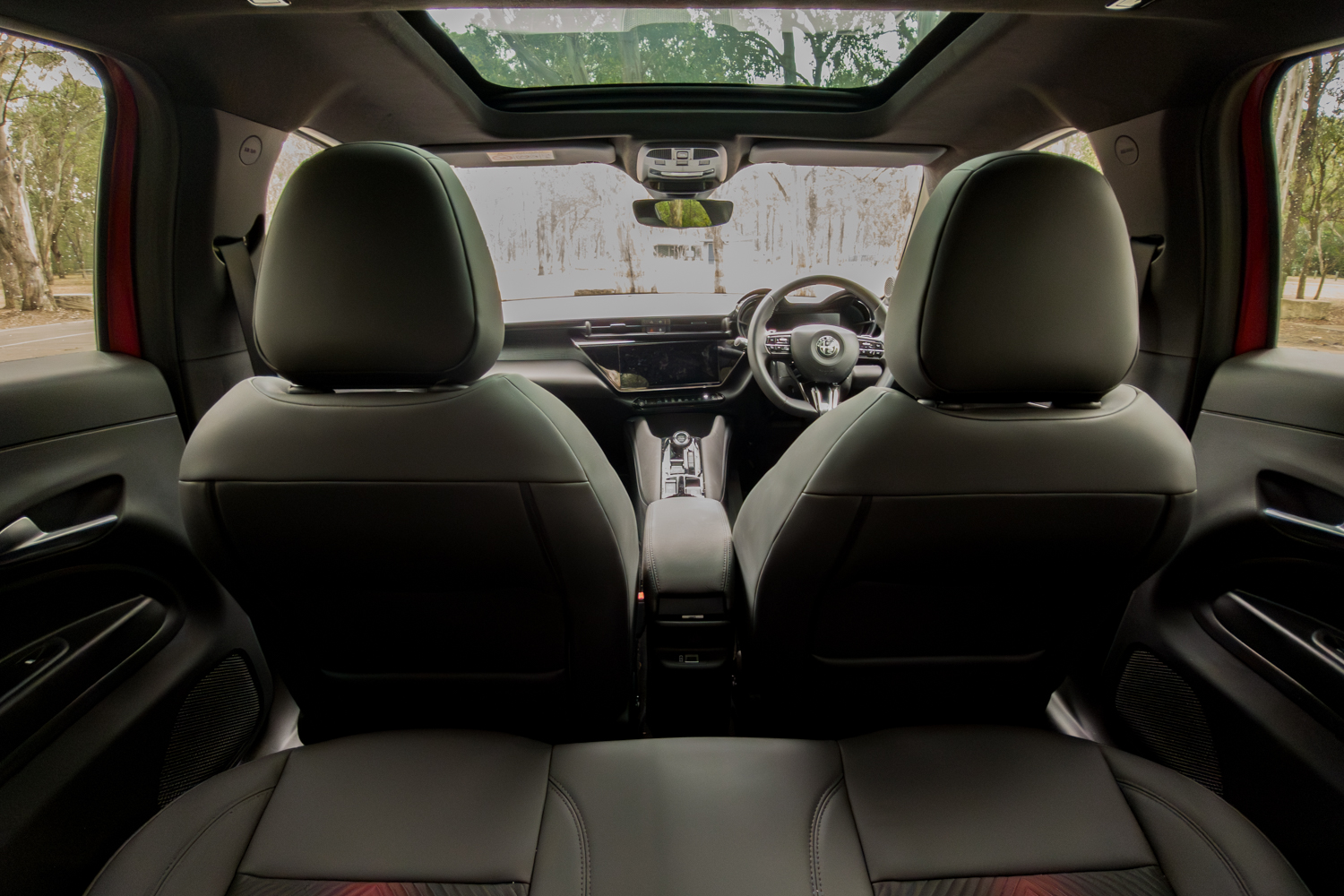
Furthermore, with rear seats folded the boot grows to approximately 1250 litres — a practical, flat loading area suitable for flat-pack furniture, a weekend away, or a large dog crate. Folding the seats is straightforward and doesn’t require a PhD in engineering, which regular users will genuinely appreciate.
Technology and connectivity
The Junior’s cabin tech impresses from the moment the car wakes up. The 10.25-inch touchscreen sits at a natural eyeline angle and runs an intuitive menu system that takes no more than a few minutes to master. Wireless Apple CarPlay and Android Auto connect reliably, and the wireless charging pad keeps phones topped up without fuss.
In addition, the digital cockpit pairs with a suite of connected services including live traffic satellite navigation, SOS emergency calling, and remote access via the Alfa Romeo smartphone companion app, with the first 12 months complimentary. The DNA drive mode selector — Dynamic, Natural, and Advanced Efficiency — is a genuine differentiator, adjusting throttle response, steering weight, and hybrid energy management to suit your mood or conditions.
What sets the Alfa experience apart is how cohesive it all feels — less like a tech demo, more like a car Alfa Romeo has tuned from the inside out to feel a particular way. Even the ADAS warning chimes reportedly sound softer and more melodic than the shrill alerts found in class rivals; a small but telling detail about how deeply Alfa has considered the ownership experience.
One-Touch Features
- DNA Drive Modes: Dynamic sharpens throttle response and steering feel; Natural is the everyday sweet spot; Advanced Efficiency maximises the mild-hybrid system’s fuel-saving capability in city traffic.
- Hands-Free Tailgate: A foot-sensor under the rear bumper opens the 415-litre boot automatically while your hands are full — standard on all Australian-spec Juniors.
- Remote App Connectivity: Lock, unlock, check vehicle status, and view fuel level from your smartphone via the Alfa Romeo connected services app, with 12 months complimentary.
Engine and drivetrain
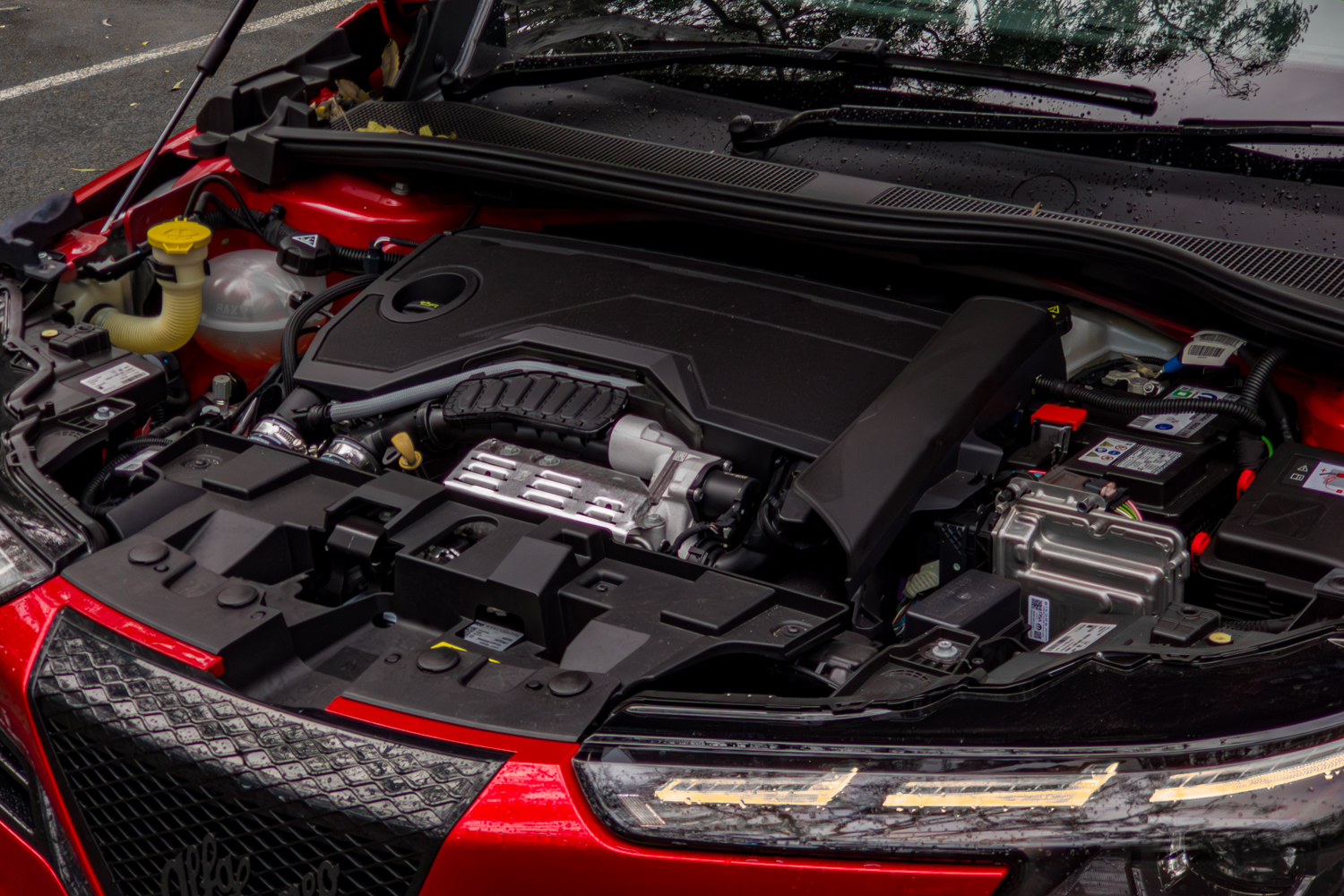
Under the bonnet, the Alfa Romeo Junior Ibrida pairs a 1.2-litre turbocharged three-cylinder petrol engine with a 21kW electric motor integrated into the six-speed dual-clutch automatic transmission, fed by a 0.9kWh 48-volt lithium-ion battery pack. Combined system output reaches 107kW and 230Nm to the front wheels. Several Peugeot and Citroën products share this fundamental powertrain, but the Junior deploys it with characteristic Alfa verve.
In practice, the claimed fuel consumption of 4.1L/100km on the NEDC cycle translates to mid-fives to low sixes in real-world driving — impressive for a non-plug-in hybrid. A 44-litre tank requires 95 RON premium unleaded. The 0–100km/h sprint takes a claimed 8.9 seconds, and the Junior tops out at 206km/h — honest, workmanlike figures that feel more engaging behind the wheel, thanks to the chassis tuning.
What’s the 2026 Alfa Romeo Junior Ibrida like to drive?
This is where the Junior transcends its platform-shared DNA. The steering carries genuine weight and precision, communicating road texture in a way that the Jeep Avenger and Peugeot 2008 siblings simply do not. The chassis feels alert and willing, encouraging corner entry with confidence. As a result, Alfa Romeo has engineered something that punches well above its cubic capacity — a light SUV that genuinely rewards enthusiastic driving.
At highway speeds, the Junior settles into an easy, refined cruise and suppresses wind and road noise well for the class. In urban environments, the mild-hybrid system deploys its electric motor to smooth low-speed manoeuvres and take-offs, making city driving stress-free. The dual-clutch gearbox occasionally hunts for ratios in slow traffic — a known characteristic of this transmission type — but it largely behaves itself. Selecting Dynamic mode genuinely transforms the experience: throttle response sharpens, the engine holds revs longer, and the Junior becomes a surprisingly lively urban companion.
Safety features
ANCAP and Euro NCAP have not yet tested the Junior Ibrida — a notable caveat for safety-conscious buyers. Nevertheless, the car comes standard with a comprehensive Level 2 ADAS suite:
- Autonomous Emergency Braking (AEB) with pedestrian and cyclist detection
- Blind-Spot Monitoring
- Lane-Keep Assist
- Adaptive Cruise Control
- Traffic Sign Recognition
- Front, Side and Rear Parking Sensors
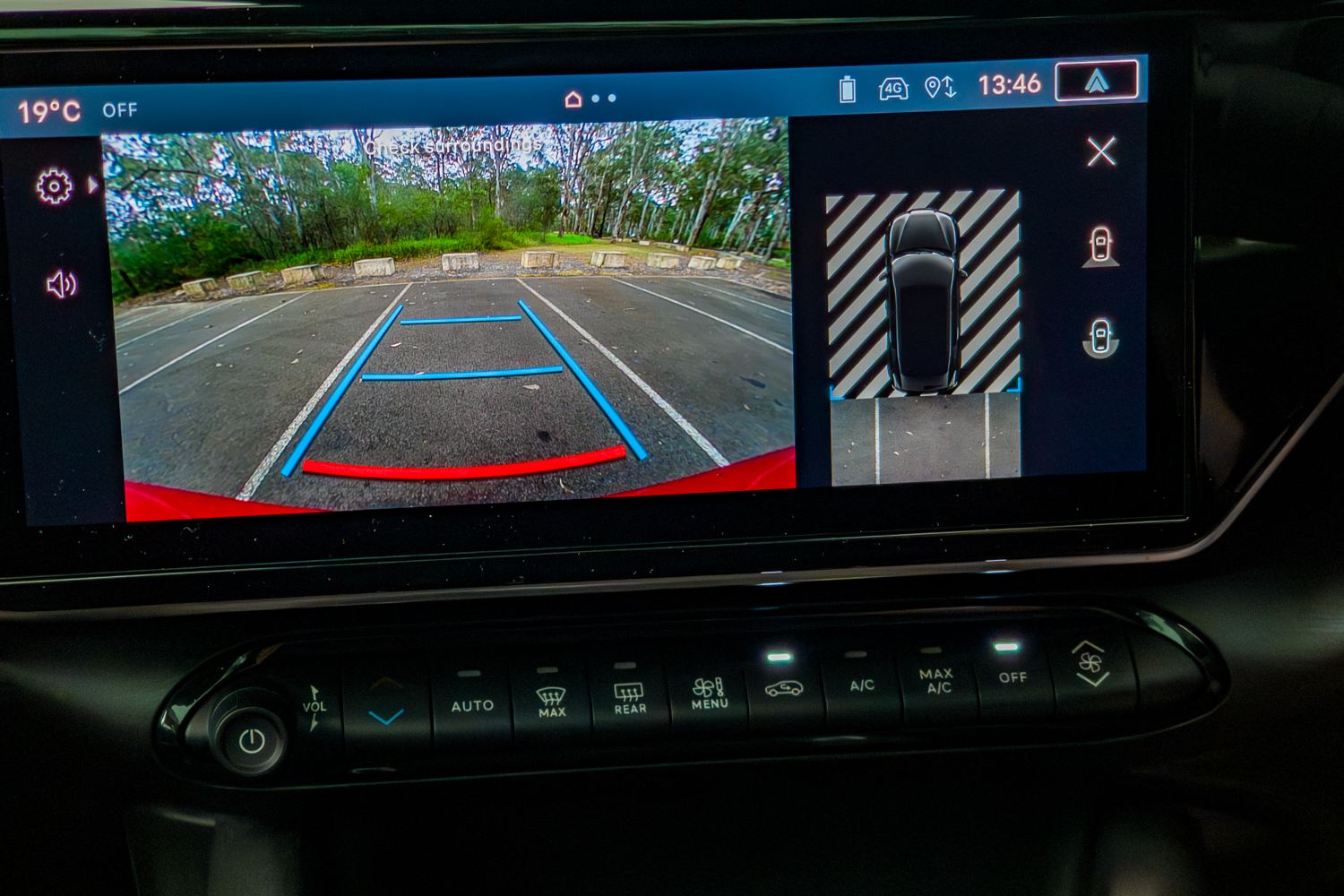
- Reversing Camera with stitched surround-view display
- Driver Attention Monitoring
- Six Airbags
Owner benefits
On the ownership side, Alfa Romeo offers a solid 5-year, unlimited-kilometre warranty alongside 5 years of complimentary roadside assistance — the latter extendable by 12 months at each authorised dealer service visit throughout the vehicle’s life. That roadside coverage is a genuine differentiator against several rivals.
Alfa Romeo schedules servicing every 12 months or 15,000km, whichever comes first — more frequent than some Japanese rivals — and service costs exceed the class average, with a five-year package totalling approximately $3,106. Buyers should factor this into the total cost of ownership calculation. Alfa Romeo does not formally offer a factory capped-price servicing programme, though its online calculator provides cost estimates in advance.
Final thoughts
Ultimately, the 2026 Alfa Romeo Junior Ibrida is a car that defies expectations at every turn. On paper, a Stellantis-platform mild hybrid with a three-cylinder engine and tight rear seat should be nothing special. In reality, it is the most characterful, design-led, and genuinely engaging light SUV you can buy in Australia for under $55,000 drive-away. For more context, see our guide to the best hybrid SUVs in Australia.
Admittedly, it won’t suit every buyer. Families with three rear passengers will find it snug, servicing costs are real, and the absence of an ANCAP rating leaves a question mark for those who prioritise five-star safety credentials above all else. However, for the urban professional who wants a car that sparks joy, turns heads at the café, and makes a weekday commute feel like it means something — the Junior Ibrida is Alfa Romeo’s most important car in a decade. And it just might be the revival the brand has been waiting for.
2026 Alfa Romeo Junior Ibrida Specifications
| Specification | Details |
|---|---|
| Model | Alfa Romeo Junior Ibrida (FWD) |
| Model Price | $45,900 + on-road costs (~$51,000–$54,000 drive-away) |
| Engine | 1.2-litre Turbocharged 3-Cylinder Petrol + 48V Mild-Hybrid |
| Drivetrain | Front-Wheel Drive (FWD) |
| Battery Capacity / Type | 0.9 kWh / 48V Lithium-ion (mild hybrid) |
| Electric Motor | 21kW integrated into 6-speed DCT |
| Power | 107 kW (combined system) |
| Torque | 230 Nm (combined system) |
| Fuel Economy (claimed) | 4.1 L/100km (NEDC) |
| Fuel Type | 95 RON Premium Unleaded |
| Fuel Tank | 44 litres |
| Safety | Not yet rated (ANCAP / Euro NCAP pending) |
| CO2 Emissions | ~109 g/km |
| 0–100km/h / Top Speed | 8.9 seconds / 206 km/h |
| Transmission | 6-Speed Dual-Clutch Automatic (DCT) |
| Servicing | 12 months / 15,000 km |
| Warranty | 5 Years / Unlimited km |
| Roadside Assist | 5 Years (extendable with each dealer service) |
| Specification | Details |
|---|---|
| Overall Length | 4170 mm |
| Width | 1780 mm (excluding mirrors) |
| Height | 1500 mm |
| Wheelbase | Not Published |
| Wheels | 18-inch Petali Diamond-Cut Alloy |
| Kerb Weight | ~1290 kg (Ibrida) |
| Boot Min | 415 L |
| Boot Max | ~1250 L (seats folded) |
| Seats | 5 |
| Towing Capacity | Not Published for Australian spec |
| Ground Clearance | Not Published |
| Turning Circle | Not Published |